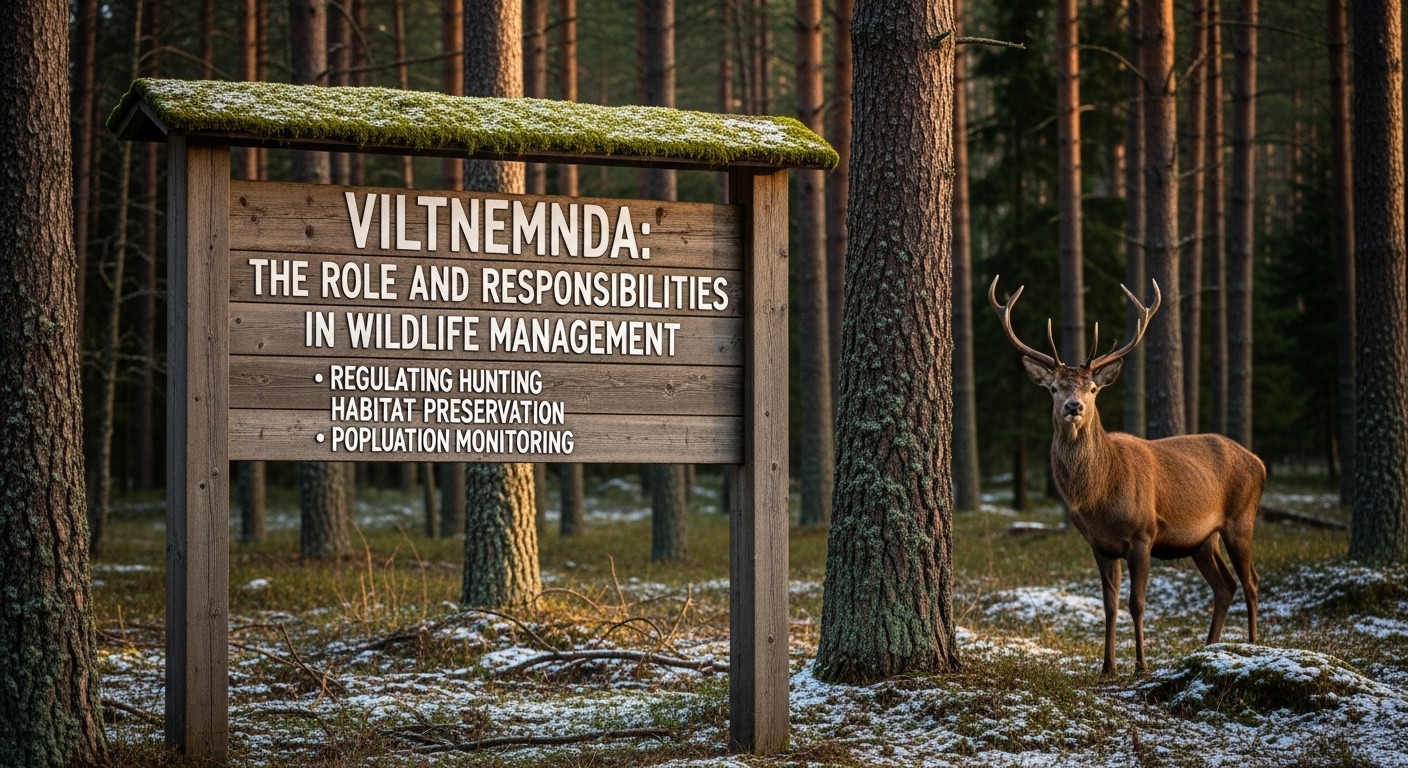
When it comes to wildlife management, few organizations play a more pivotal role than Viltnemnda. This dedicated body is at the forefront of ensuring that our natural ecosystems thrive while balancing human interests. From overseeing hunting regulations to safeguarding species in need of protection, Viltnemnda’s influence spans across various aspects of wildlife conservation. Understanding its purpose and responsibilities can shed light on how we interact with nature and the vital steps taken to preserve it for future generations. Let’s dive into what makes Viltnemnda an essential player in this intricate dance between humanity and the wild world around us.
The Purpose of Viltnemnda in Wildlife Management
The primary purpose of Viltnemnda revolves around the sustainable management of wildlife populations. This body ensures that ecological balance is maintained while addressing human interests.
Viltnemnda works to monitor animal species, their numbers, and health. By gathering data on various wildlife populations, they can make informed decisions about hunting quotas and conservation efforts.
Additionally, Viltnemnda plays a crucial role in educating the public about responsible wildlife practices. They foster awareness regarding the importance of biodiversity and habitats.
Another key objective is conflict resolution between humans and wildlife. When animals encroach on agricultural lands or urban areas, Viltnemnda intervenes to find solutions that protect both parties.
Their multifaceted approach aims to harmonize human activity with nature’s needs. This commitment supports long-term sustainability for future generations.
Responsibilities of Viltnemnda
Viltnemnda plays a crucial role in wildlife management, carrying various responsibilities that impact both ecosystems and communities. One of its primary duties is to assess wildlife populations. By monitoring species numbers, Viltnemnda ensures sustainable practices are implemented.
Another key responsibility involves setting hunting quotas. These limits prevent overhunting while supporting healthy animal populations. Such measures help maintain balance within the ecosystem.
Viltnemnda also engages with local communities through educational programs about wildlife conservation. This fosters a sense of stewardship among residents, encouraging them to protect their natural surroundings.
Additionally, the council collaborates with other organizations and government bodies to create effective policies for habitat preservation. Their efforts are vital in addressing issues like poaching and habitat destruction.
Through these multifaceted responsibilities, Viltnemnda actively contributes to ensuring harmonious coexistence between humans and wildlife.
The Importance of Viltnemnda in Preserving and Protecting Wildlife
Viltnemnda plays a crucial role in wildlife conservation. It acts as a bridge between human interests and the natural world. By managing hunting quotas and fishing regulations, Viltnemnda helps maintain ecosystems.
Their expertise ensures that species populations remain stable. This balance is vital for biodiversity. Healthy wildlife contributes to the overall health of our environment.
Moreover, Viltnemnda promotes sustainable practices among communities. They educate hunters and anglers about responsible behaviors. Awareness programs foster respect for nature’s resources.
The organization also collaborates with scientists and conservationists. Such partnerships enhance research efforts aimed at protecting endangered species.
Through these initiatives, Viltnemnda not only safeguards wildlife but also enriches local cultures connected to nature. The preservation of habitats becomes a shared responsibility among all stakeholders involved in wildlife management.
The Process of Hunting and Fishing Licenses through Viltnemnda
Navigating the process of obtaining hunting and fishing licenses through Viltnemnda can be straightforward. Prospective hunters and anglers must first familiarize themselves with local regulations, which can vary significantly.
Once you’re informed, the next step is to submit an application. This often includes providing personal information and proof of any required training courses or certifications. Many regions offer online platforms for convenience.
After submitting your application, applicants may need to pay a fee. The costs typically fund wildlife conservation efforts—an essential aspect of maintaining balanced ecosystems.
Approval times can differ based on demand and administrative workload. Some areas provide immediate issuance upon approval, while others may require additional waiting periods.
Staying updated on seasonal changes in licensing requirements is crucial as well; these can impact when and how you engage in outdoor activities responsibly.
Controversies Surrounding Viltnemnda’s Role in Wildlife Management
Viltnemnda’s role in wildlife management is not without its controversies. Critics often argue that the organization prioritizes hunting interests over conservation efforts. This perception can lead to a rift between animal rights advocates and those who support regulated hunting.
Some activists believe that Viltnemnda’s practices may contribute to declining populations of certain species, raising ethical questions about sustainability. The debates surrounding quotas and hunting seasons frequently spark heated discussions among stakeholders.
Additionally, local communities sometimes feel sidelined by decisions made at the Viltnemnda level. There are concerns that regulations might not always reflect the unique ecological needs or cultural perspectives of specific regions.
Such tensions highlight the complexity of wildlife management where diverse opinions must coexist. Balancing human activity with nature preservation remains a challenging task for Viltnemnda as they navigate these contentious waters.
The Vital Role of Viltnemnda in Balancing Human Activities and Wildlife Conservation
Viltnemnda plays a crucial role in maintaining harmony between human activities and wildlife conservation. As populations grow, conflicts often arise over land use and resource allocation. This is where Viltnemnda steps in to mediate.
By implementing regulations regarding hunting and fishing, they ensure sustainable practices that benefit both wildlife and humans. Their guidelines help manage animal populations, preventing overhunting while allowing for responsible recreational opportunities.
Moreover, Viltnemnda engages communities in conservation efforts. They promote awareness of local ecosystems and the importance of biodiversity. This fosters a sense of responsibility among citizens toward protecting natural habitats.
Their assessments also guide policy decisions impacting land development projects, ensuring ecological considerations are at the forefront. Through collaboration with various stakeholders, including hunters, anglers, and environmentalists, Viltnemnda seeks balanced solutions that respect both people’s needs and nature’s rights.
Conclusion
Viltnemnda plays a crucial role in wildlife management, balancing the interests of conservation with human activities. Its responsibilities are wide-ranging and impact various aspects of our natural ecosystems. By overseeing hunting and fishing licenses, Viltnemnda ensures that these practices are sustainable and responsible.
The importance of this body cannot be understated; it serves as a guardian for wildlife, advocating for policies that protect species at risk while also considering community needs. Despite some controversies surrounding its decisions, Viltnemnda’s mission remains focused on preserving biodiversity.
As human activities continue to encroach upon natural habitats, organizations like Viltnemnda become vital players in fostering coexistence between humans and animals. Understanding its functions enhances our appreciation for the delicate balance required to maintain healthy ecosystems. Engaging with local Viltnemnda initiatives may inspire more people to support wildlife conservation efforts actively.