
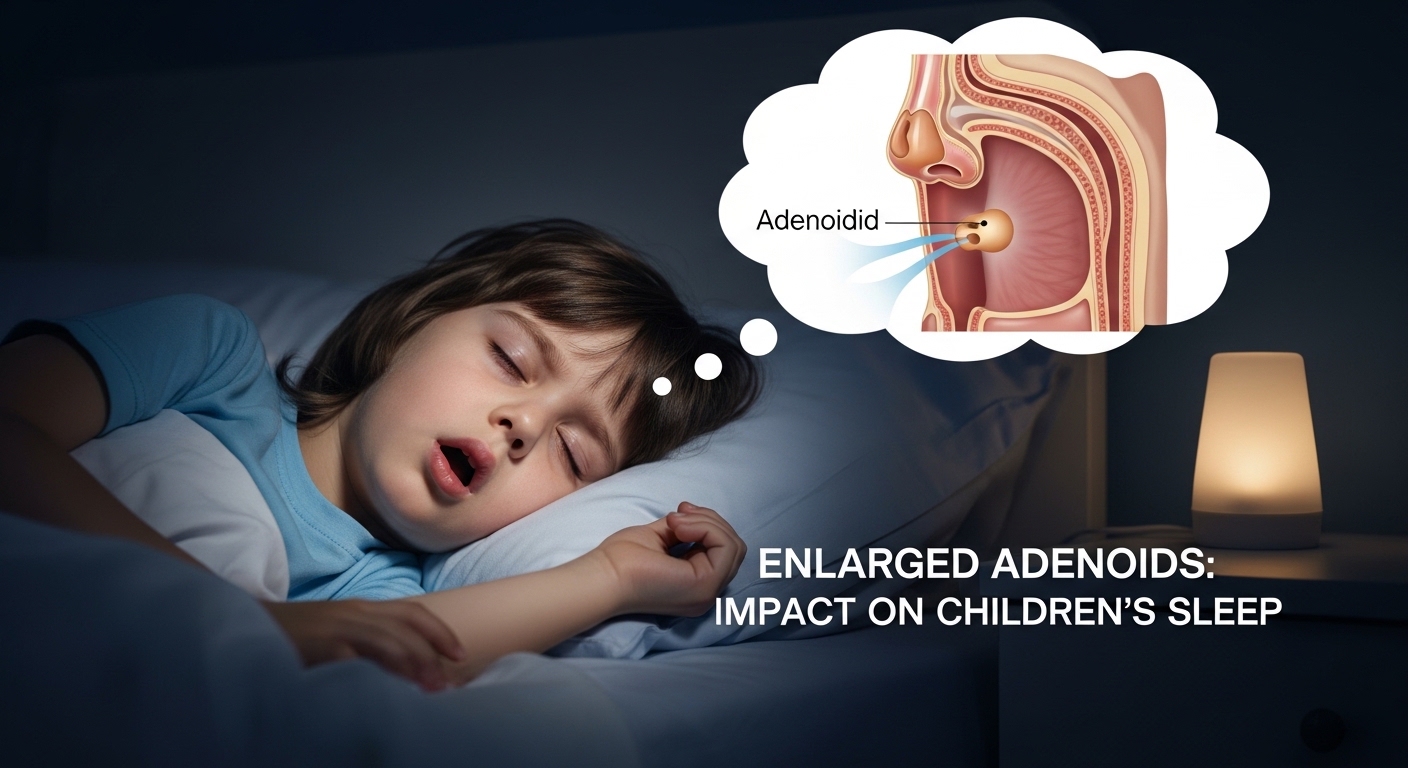
Every parent knows the importance of a good night’s sleep for their little ones. However, many are unaware that enlarged adenoids can be a hidden culprit Adenoidid behind restless nights and cranky mornings. Adenoids, small glands located in the back of the throat, play a vital role in our immune system but can sometimes become problematic—especially when they swell. As children grow, understanding how these tiny tissues affect sleep quality is crucial for ensuring both restful nights and overall health. Let’s dive into what adenoids are, why they might enlarge, and how this condition can impact your child’s sleep patterns.
What are adenoids and their function?
Adenoids are small, gland-like tissues located at the back of the throat, above the roof of the mouth. They are part of a group called lymphoid tissue, which plays a crucial role in your immune system.
These glands help trap bacteria and viruses that enter through the nose. By doing so, they prevent infections and keep your body healthy during childhood when immunity is still developing.
As children grow older, adenoids typically shrink or may even disappear altogether. Their peak activity occurs in early childhood when kids are most vulnerable to respiratory illnesses.
While essential for fighting off pathogens, enlarged adenoids can lead to various health issues if they obstruct airflow or cause other complications. Understanding their function helps parents recognize potential problems related to sleep and overall well-being in their little ones.
Causes of enlarged adenoids in children
Enlarged adenoids in children can arise from various factors. One major cause is frequent infections. Children often encounter illnesses like colds or sinus infections, which can lead to inflammation of the adenoid tissue.
Allergies also play a significant role. Allergic reactions to dust, pollen, or pet dander may trigger an immune response, causing the adenoids to swell.
Genetics contribute as well. Some children inherit a predisposition for enlarged adenoids from their parents.
Environmental influences cannot be overlooked either. Exposure to pollutants and secondhand smoke has been linked to respiratory issues that can aggravate the condition.
Age matters; younger children are more prone due to their developing immune systems and active lifestyles that expose them to pathogens regularly. Understanding these causes helps in addressing the issue effectively.
Symptoms of enlarged adenoids
Enlarged adenoids often manifest through various symptoms that can significantly impact a child’s daily life. One of the most noticeable signs is nasal congestion. Children may breathe through their mouths more frequently, especially at night.
You might also notice persistent snoring or unusual sleep patterns. This can disrupt not only their rest but also yours as a parent. Frequent nighttime awakenings are common too, adding to overall fatigue during the day.
Additionally, some children experience recurrent ear infections or sinus issues due to blocked airways. A cough that lingers and doesn’t seem related to other illnesses could also be an indicator.
Pay attention if your child exhibits Adenoidid behavioral changes such as irritability or difficulty concentrating in school. These subtle shifts can stem from poor sleep quality linked to enlarged adenoids and should not be overlooked.
Effects of enlarged adenoids on sleep quality
Enlarged adenoids can significantly disrupt a child’s sleep quality. When these tissues swell, they may obstruct the airway, making it difficult for children to breathe properly during the night.
This obstruction often leads to noisy breathing or snoring. Children might struggle to fall asleep and stay in deep sleep phases. As a result, they wake up feeling tired and irritable.
Sleep disturbances caused by enlarged adenoids can also lead to restless nights filled with frequent awakenings. This not only affects their mood but can impact their focus and performance at school.
In some cases, children may develop behavioral issues stemming from poor sleep quality. Their overall well-being suffers when they’re unable to rest adequately due to this condition. Addressing enlarged adenoids becomes crucial for restoring restful nights and improving daily functioning.
Common sleep issues caused by enlarged adenoids
Enlarged adenoids can lead to various sleep issues in children. One of the most common problems is obstructive sleep apnea (OSA). This condition causes breathing interruptions during sleep, leading to restless nights.
Children may snore loudly or breathe through Adenoidid their mouths, which disrupts their natural sleep cycle. Their bodies struggle to achieve deep restorative sleep as they frequently wake up gasping for air.
Another issue linked to enlarged adenoids is difficulty falling asleep. The discomfort from nasal congestion can make it hard for kids to settle down at night.
Nighttime awakenings are also a concern. Kids might wake multiple times due to blocked airways, making them feel tired and cranky during the day.
These disturbances can affect mood, concentration, and overall health. It’s essential for parents to recognize these signs early on for better management of their child’s well-being.
Treatment options for enlarged adenoids
When it comes to treating enlarged adenoids, several options are available. The choice often depends on the severity of symptoms and their impact on the child’s daily life.
For mild cases, doctors might suggest monitoring the situation. Regular check-ups can help track changes in size or related issues.
If symptoms interfere with sleep or breathing Adenoidid significantly, medication may be prescribed. Nasal corticosteroids can reduce inflammation in some children, providing relief without invasive procedures.
In more severe instances, surgical intervention might be necessary. Adenoidectomy is a common outpatient procedure where the swollen tissue is removed entirely. This surgery often leads to immediate improvements in breathing and sleep quality.
Parents should maintain open communication with healthcare providers to explore which treatment aligns best with their child’s needs while considering potential risks and benefits associated with each option.
How to improve sleep quality in children with enlarged adenoids
Improving sleep quality in children with enlarged adenoids involves several practical strategies. First, create a calming bedtime routine. This helps signal to your child that it’s time to wind down.
Ensure the sleeping environment is conducive to rest. Keep the room dark, quiet, and at a comfortable temperature. A supportive mattress and pillows can make a significant difference too.
Encourage side sleeping instead of back sleeping. This position may help reduce airway blockage caused by enlarged adenoids.
Use saline nasal sprays or humidifiers to Adenoidid keep nasal passages moist. This can alleviate congestion and improve breathing during sleep.
Monitor allergies as they can exacerbate symptoms related to adenoid enlargement. Consulting an allergist for appropriate management may be beneficial.
Regular check-ups with a pediatrician will help track changes in your child’s condition and adjust treatment plans as needed.
Importance of addressing enlarged adenoids for better sleep and overall health in children
Addressing enlarged adenoids is crucial for a child’s sleep quality and overall health. When these tissues become swollen, they can obstruct the airway during sleep, leading to disrupted breathing patterns.
This disruption can result in restless nights, causing daytime fatigue and irritability. Children may struggle with concentration in school or have mood swings due to insufficient rest.
Additionally, untreated enlarged adenoids may contribute to more serious health issues over time. Chronic mouth breathing can lead to dental problems and alter facial development.
By seeking treatment for enlarged adenoids early on, parents pave the way for better sleep hygiene. Improved airflow not only enhances nighttime comfort but also supports healthy growth and development throughout childhood.
Prioritizing this aspect of children’s health sets a solid foundation for their physical well-being and emotional stability as they grow.
Conclusion
Adenoidid play a crucial role in your child’s immune system, but when they become enlarged, they can lead to significant sleep disturbances and health concerns. Understanding the causes and symptoms of enlarged adenoids is vital for parents. Recognizing how these conditions affect sleep quality can help identify necessary treatment options.
Poor sleep due to enlarged adenoids not only affects a child’s mood but also their cognitive functions and overall well-being. Addressing this condition promptly—whether through medical intervention or lifestyle changes—can pave the way for better rest and improved health outcomes. Prioritizing your child’s sleeping environment may also enhance their comfort, making it easier for them to breathe during the night.
Taking action against enlarged adenoidid means more than just tackling sleepless nights; it’s about ensuring that children get the restorative sleep needed for growth and development. Ensuring healthy airways will support both physical health and mental clarity as they navigate their daily activities. By staying proactive about potential issues related to adenoid enlargement, parents can significantly improve their children’s quality of life.