
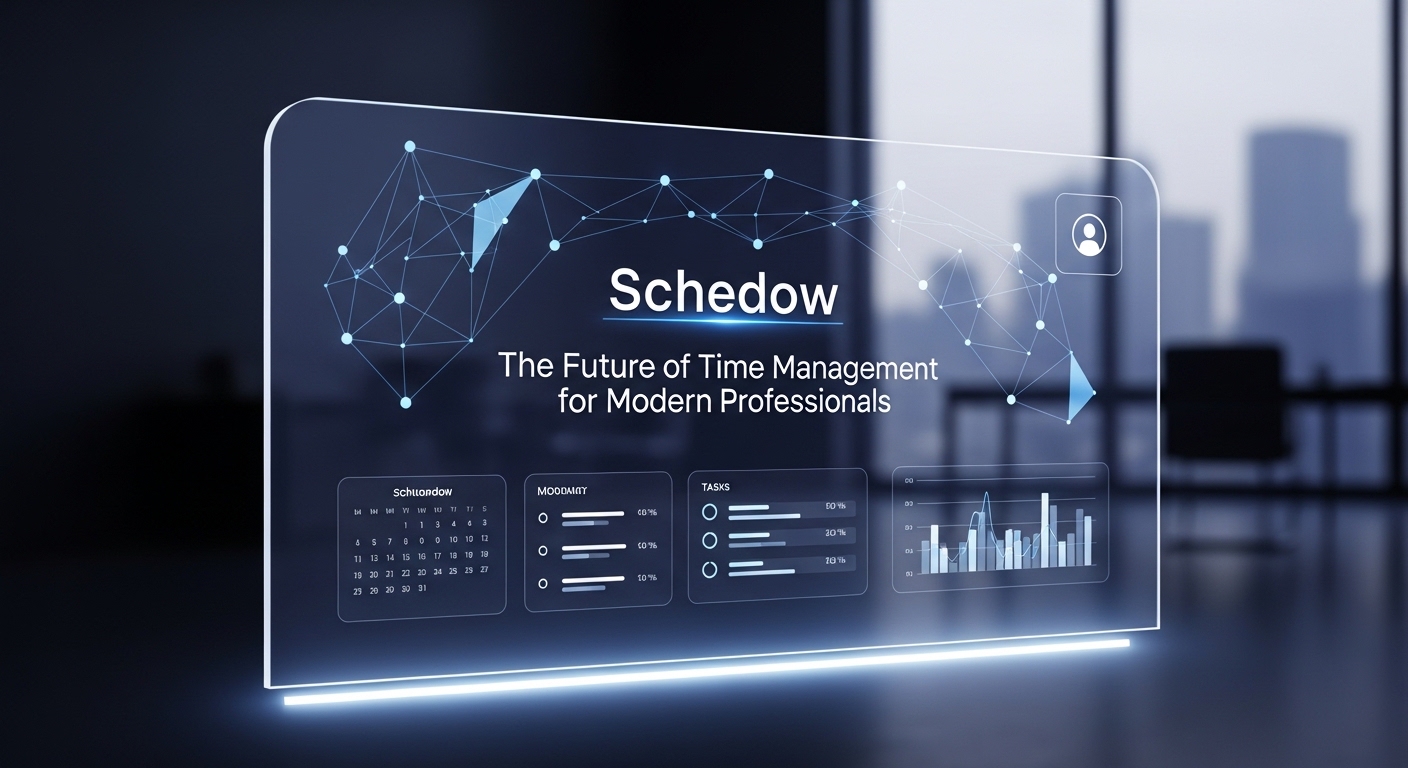
Imagine waking up to a morning where every task you intended to complete flows seamlessly. Meetings start on time, deadlines are met effortlessly, and your day feels productive yet unhurried. For many entrepreneurs and tech-savvy professionals, this isn’t just a dream—it’s increasingly achievable with tools like Schedow. In an era where time is arguably the most valuable currency, mastering efficient scheduling has become essential, and Schedow is emerging as a game-changer in this arena.
Understanding Schedow and Its Real-World Impact
At its core, Schedow is more than a conventional calendar or scheduling software. It combines artificial intelligence with intuitive design to anticipate workflow patterns and optimize how individuals allocate their time. Unlike traditional tools that simply store events, Schedow analyzes priorities, deadlines, and even behavioral tendencies to create personalized schedules that adapt in real time.
In practical terms, this means professionals no longer need to manually rearrange meetings or struggle with overlapping commitments. The AI engine behind Schedow considers dependencies and suggests optimal sequences of tasks. For startups and fast-paced enterprises, this capability can translate to increased productivity and reduced burnout—a tangible return on investment in time management technology.
Why Professionals Are Adopting Schedow
The modern professional landscape demands flexibility without sacrificing structure. Entrepreneurs juggle client calls, strategy sessions, and investor meetings, while tech leaders manage agile development cycles and team stand-ups. Schedow addresses these challenges by providing a centralized platform that balances flexibility with efficiency.
One standout feature is its predictive scheduling capability. Based on historical data, Schedow can forecast the ideal duration for specific tasks or meetings. For instance, if a team frequently underestimates brainstorming sessions, the platform will automatically allocate extra time, ensuring discussions are productive rather than rushed. This level of insight transforms scheduling from a reactive task into a proactive management strategy.
Integrating Schedow with Existing Workflows
Adopting new technology is often met with resistance, particularly when it disrupts established workflows. Schedow, however, is designed for seamless integration. It supports popular platforms like Google Calendar, Microsoft Outlook, and Slack, allowing users to sync appointments and notifications effortlessly.
Additionally, Schedow’s API functionality enables custom integrations, which is particularly valuable for tech-driven startups. By connecting internal project management tools with Schedow, organizations can automate task assignments and schedule updates, reducing manual overhead and minimizing errors.
Measuring the Value of Schedow
Understanding the tangible benefits of Schedow requires a closer look at productivity metrics. Consider the following example, which compares traditional scheduling methods with Schedow’s AI-driven approach:
| Metric | Traditional Scheduling | Schedow-Optimized Scheduling |
|---|---|---|
| Average Daily Meetings | 5 | 4 (more focused) |
| Task Completion Rate | 72% | 89% |
| Scheduling Conflicts | 3 per week | 0-1 per week |
| Time Spent on Admin Tasks | 60 min | 20 min |
This table illustrates how leveraging AI in scheduling can lead to measurable improvements in efficiency, fewer conflicts, and higher overall output. The reduction in administrative burden also allows professionals to focus on strategic initiatives rather than routine logistics.
Expert Insights on Time Optimization
Time management experts increasingly highlight the importance of adaptive scheduling. Traditional methods rely on static calendars, which fail to account for changing priorities or unexpected disruptions. Schedow’s intelligent approach aligns with modern productivity philosophies: work smarter, not just harder.
Moreover, Schedow emphasizes the psychological benefits of organized scheduling. By presenting a clear roadmap for the day, the platform reduces cognitive load and decision fatigue. Professionals can make better choices, maintain focus, and experience less stress—factors that are often overlooked in conventional time management discussions.
Looking Ahead: The Evolution of Scheduling
As AI continues to evolve, tools like Schedow are likely to become more predictive and personalized. Imagine a platform that not only schedules meetings but also suggests when to take breaks, identifies periods of peak focus, and even recommends networking opportunities based on your calendar trends. Such a holistic approach could redefine productivity, making time management a strategic advantage rather than a daily challenge.
For entrepreneurs, tech leaders, and founders, embracing this shift early could provide a competitive edge. The ability to optimize every hour without sacrificing creativity or strategic thinking is a rare but attainable advantage in today’s fast-paced professional environment.
Conclusion: Why Schedow Matters
In the crowded landscape of productivity tools, Schedow stands out by combining AI intelligence, user-centric design, and real-world relevance. It transforms scheduling from a mundane task into a strategic asset, helping professionals reclaim their time and focus on what truly matters.
As the boundaries between work and life continue to blur, leveraging intelligent tools like Schedow is not just convenient—it’s essential. By adopting adaptive scheduling, professionals can navigate complex workflows efficiently, reduce stress, and ultimately achieve a more fulfilling and productive career.