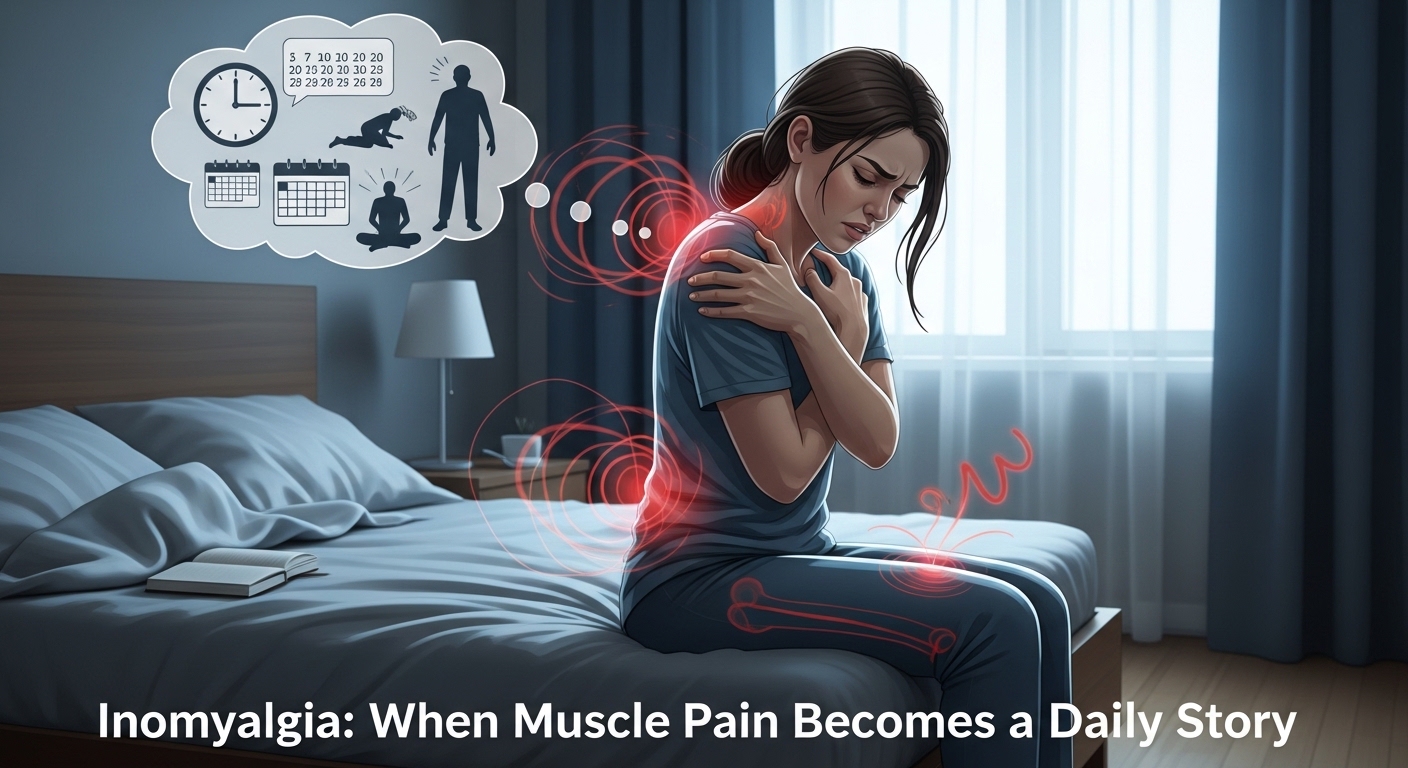
Inomyalgia is a term that might sound unfamiliar, but for many, it’s an everyday reality. This chronic condition can disrupt lives in profound ways, leaving individuals grappling with persistent pain and fatigue. Despite its challenges, understanding Inomyalgia is the first step towards reclaiming control over one’s health. If you or someone you know is navigating this journey, you’re not alone. Let’s explore what Inomyalgia really entails—its symptoms, causes, and effective coping strategies to help manage this condition with confidence. Your path to better understanding starts here!
What is Inomyalgia?
Inomyalgia is a chronic pain disorder characterized by widespread muscle soreness and fatigue. It can affect anyone, regardless of age or lifestyle, leading to discomfort that often feels overwhelming.
Unlike typical aches and pains, Inomyalgia doesn’t have an obvious cause. Its symptoms can vary widely from person to person. Some may experience debilitating tiredness, while others face cognitive challenges like “fibro fog,” which affects memory and concentration.
The condition often coexists with other ailments such as anxiety or depression. This multifaceted nature can complicate diagnosis and treatment but also highlights the need for a comprehensive approach to care.
Understanding Inomyalgia requires awareness that it impacts physical and emotional well-being alike. Recognizing this complexity allows individuals to seek tailored support for their unique experiences with the condition.
Common Symptoms of Inomyalgia
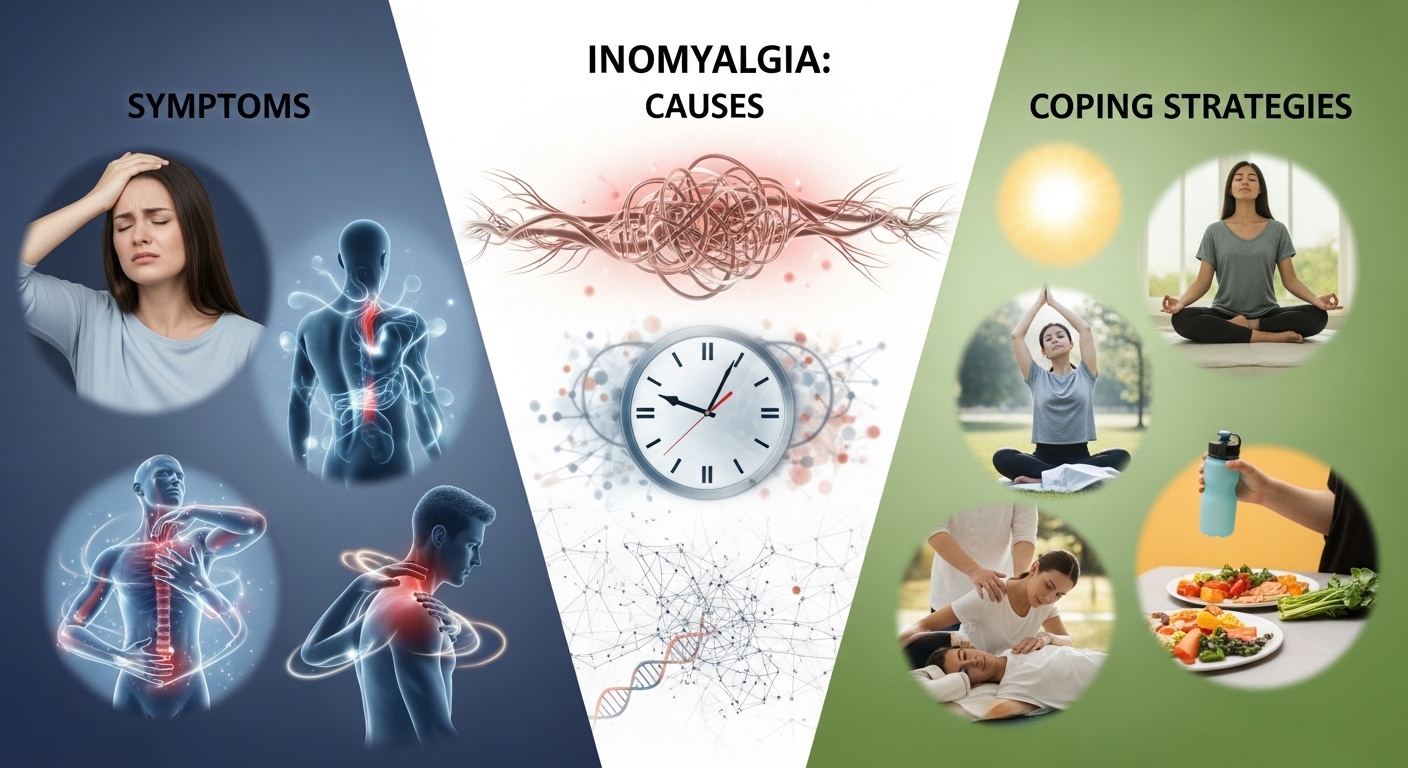
Inomyalgia presents a variety of symptoms that can significantly affect daily life. One of the most common signs is widespread pain, often described as a dull ache that persists for an extended period.
Fatigue is another frequent complaint among those affected. This isn’t just ordinary tiredness; it’s an overwhelming sense of exhaustion that doesn’t seem to improve with rest.
Sleep disturbances are also prevalent. Many individuals report difficulties falling asleep or staying asleep, leading to morning grogginess and increased discomfort throughout the day.
Cognitive issues, often referred to as “fibro fog,” can hinder concentration and memory. People may find it challenging to focus on tasks or recall simple information.
Additionally, mood changes such as anxiety and depression might surface due to chronic pain and fatigue, further complicating the experience of living with Inomyalgia.
Causes of Inomyalgia
The exact causes of inomyalgia remain somewhat elusive. However, several factors may contribute to its development. Genetic predisposition often plays a role, suggesting that family history can increase risk.
Environmental triggers are also significant. Stressful life events or ongoing emotional strain have been linked to the onset of symptoms. This connection emphasizes the mind-body relationship.
Additionally, physical trauma or infections might serve as catalysts for this condition. Certain viral illnesses have emerged in studies as potential contributors.
Hormonal imbalances could be another piece of the puzzle. Fluctuations in hormones may affect pain perception and overall well-being.
Lifestyle choices cannot be overlooked. Poor sleep habits and lack of exercise often exacerbate symptoms, creating a cycle that’s hard to break. Understanding these diverse causes is essential for effective management and treatment strategies.
Diagnosis and Treatment Options
Diagnosing inomyalgia can be challenging. Healthcare providers often rely on a combination of patient history, physical examinations, and specific tests to rule out other conditions. There are no definitive tests for inomyalgia, making it essential to discuss symptoms thoroughly.
Once diagnosed, treatment options typically focus on symptom relief. Medications like pain relievers or anti-inflammatory drugs may be prescribed. Muscle relaxants and antidepressants can also help manage chronic pain and improve sleep quality.
Physical therapy is another effective approach. Tailored exercise regimens strengthen muscles and increase flexibility, which may alleviate discomfort over time.
In some cases, alternative therapies such as acupuncture or massage offer additional relief by promoting relaxation and reducing tension in the body. Each individual’s response varies; therefore, a personalized treatment plan is crucial for achieving the best results with managing inomyalgia symptoms effectively.
Coping Strategies for Managing Inomyalgia
Managing inomyalgia can be a daily challenge. However, adopting effective coping strategies can make a significant difference.
Start by prioritizing self-care. Regular exercise tailored to your needs can help alleviate pain and improve mood. Gentle activities like yoga or walking may provide relief without overexertion.
Mindfulness and relaxation techniques are also beneficial. Practices such as meditation or deep-breathing exercises can reduce stress levels and promote emotional well-being.
Establishing a consistent sleep routine is crucial too. Quality rest helps the body heal and manage symptoms more effectively.
Connecting with others who understand your struggles offers support as well. Consider joining local groups or online forums focused on inomyalgia for shared experiences and advice.
Don’t hesitate to reach out to healthcare professionals for personalized management plans that include medication, therapy, or alternative treatments when necessary.
Support Systems and Resources for Inomyalgia Patients
Finding a supportive network can be crucial for those living with Inomyalgia. Connecting with others who understand your experience can provide comfort and validation.
Support groups, both online and in-person, offer a space to share challenges and successes. Websites like Reddit or dedicated forums are great places to engage with fellow patients.
Healthcare professionals also play an essential role. Physical therapists, psychologists, and nutritionists can help tailor treatment plans that address individual needs.
Local community centers may host wellness workshops focusing on pain management techniques.
Additionally, hotlines or helplines for chronic illness support can provide immediate assistance when you’re feeling overwhelmed.
Don’t overlook the power of family and friends either; educating them about Inomyalgia fosters understanding and empathy in your personal circle.
Conclusion
Inomyalgia is a complex condition that affects many individuals, often leading to a decreased quality of life. Understanding its symptoms and causes can empower those affected to seek appropriate treatment options. It’s important for patients to engage with healthcare providers who understand their unique experiences.
Coping strategies play a vital role in managing the daily challenges posed by inomyalgia. Techniques such as mindfulness, physical therapy, and support groups can make significant differences in coping effectively. Building a strong network of support among friends, family, or online communities enhances resilience.
Accessing resources tailored for those living with inomyalgia helps create pathways toward improved well-being. With the right tools and community backing, individuals can navigate this condition more successfully.
Living with inomyalgia may be challenging at times; however, knowledge combined with proactive management strategies fosters hope and encourages better outcomes for all affected.