
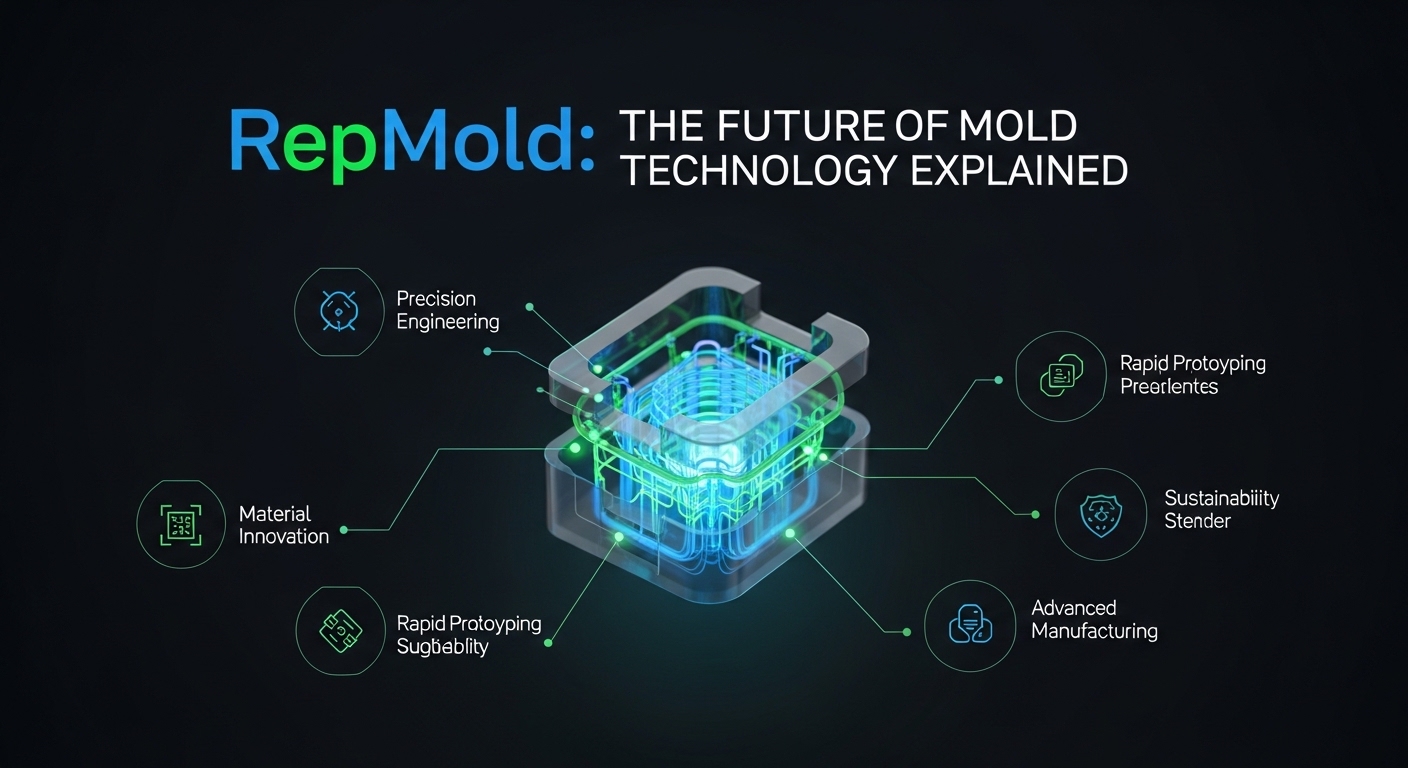
Mold technology has come a long way, and at the forefront of this evolution is RepMold. This innovative system not only enhances production efficiency but also redefines how molds are created and utilized across various industries. Imagine a world where mold-making is faster, more cost-effective, and environmentally friendly—that’s what RepMold promises to deliver. As we delve into the intricacies of this groundbreaking technology, you’ll discover its unique purpose and potential impact on manufacturing processes worldwide. Get ready to explore the future of mold technology!
The Evolution of Mold Technology
Mold technology has undergone significant transformations over the years. In its early days, traditional molds were limited by materials and manufacturing processes. Craftsmen relied on metal and simple designs, which restricted versatility.
As industries evolved, so did the demand for more complex shapes and better performance. The introduction of computer-aided design (CAD) revolutionized mold creation. Engineers could now create intricate designs with precision.
With advancements in materials like thermoplastics and composites, molds became lighter yet stronger. This shift opened doors to innovative applications across various sectors.
Today’s landscape showcases a blend of automation and smart technology. 3D printing is emerging as a game-changer, allowing for rapid prototyping without lengthy lead times.
This evolution not only enhances production efficiency but also addresses sustainability concerns through reduced waste in manufacturing processes.
Benefits of Using RepMold
RepMold offers a range of benefits that set it apart in the mold technology landscape. First and foremost, its precision is unmatched. Manufacturers can achieve intricate designs with exceptional accuracy, reducing material waste significantly.
Flexibility is another key advantage. RepMold accommodates diverse materials and shapes, allowing companies to innovate without constraints. This versatility fosters creativity in product design while streamlining production processes.
Cost-effectiveness plays a crucial role as well. By minimizing errors and enhancing efficiency, businesses see substantial savings over time. With lower operational costs, companies can invest more resources into research and development.
Furthermore, RepMold promotes sustainability through reduced energy consumption during production cycles. As organizations focus on eco-friendly practices, adopting this technology aligns perfectly with green initiatives.
The rapid prototyping capabilities enable quicker market entry for new products—an essential factor in today’s fast-paced environment where timing can make all the difference.
How RepMold is Revolutionizing the Industry
RepMold is changing the way industries approach mold creation. With its innovative technology, it allows for faster production times and greater precision.
Traditional molding methods often lead to lengthy delays. RepMold streamlines this process, enabling companies to bring their products to market quicker than ever before.
Another game-changer is the adaptability of RepMold systems. They can cater to various materials and complex designs with ease. This flexibility opens doors for creative exploration that was previously limited.
Additionally, sustainability plays a vital role in RepMold’s impact on the industry. By minimizing waste during production, it supports eco-friendly practices that resonate with modern consumers.
The integration of advanced software also enhances design capabilities. Engineers can visualize molds in 3D before they are even created, reducing errors and improving final outcomes significantly.
With these advancements, it’s clear that RepMold sets a new standard for efficiency and innovation in mold technology.
Case Studies of Companies Implementing RepMold
Several companies are successfully integrating RepMold into their production processes. One notable case is a leading automotive manufacturer that reduced cycle times by 30% after adopting this innovative technology.
By leveraging RepMold, they achieved enhanced precision in mold creation, resulting in significantly fewer defects. This improvement not only optimized their workflow but also saved costs on material waste.
Another example comes from the consumer electronics sector. A prominent brand transitioned to RepMold and experienced a remarkable increase in product consistency across various lines. Their ability to produce high-quality molds quickly allowed them to respond faster to market demands.
In the aerospace industry, a company implemented RepMold for complex parts manufacturing. The results showed improved durability and performance metrics while adhering strictly to safety standards.
These real-world applications highlight how diverse industries can benefit from the transformative capabilities of RepMold technology.
The Future of Mold Technology with RepMold
As mold technology advances, RepMold stands at the forefront. This innovative solution is reshaping how industries approach manufacturing and design.
RepMold’s adaptability allows for quick adjustments in production processes. Companies can experiment with new designs without significant downtime or costs. This flexibility opens doors to creative possibilities previously limited by traditional methods.
Sustainability is another key aspect of RepMold’s future. By reducing waste and energy consumption, it aligns with global efforts toward greener practices. Businesses can now produce high-quality products while minimizing their environmental footprint.
The integration of smart technology further enhances RepMold’s capabilities. Data-driven insights optimize performance and ensure quality at every stage of production.
With these advancements, the potential applications are limitless—transforming industries like automotive, aerospace, and consumer goods into more efficient powerhouses that embrace innovation wholeheartedly.
Conclusion
RepMold is more than just an innovation in mold technology; it represents a shift in how industries think about production. As companies increasingly recognize the advantages of RepMold, we expect to see widespread adoption across various sectors.
The evolution from traditional molding processes to advanced techniques like RepMold signals a future characterized by efficiency and precision. With its ability to reduce waste and enhance quality, businesses are not just improving their bottom lines—they’re also contributing to sustainability efforts.
As organizations continue to embrace this cutting-edge technology, they unlock new possibilities for product design and manufacturing. The case studies we’ve explored demonstrate that the benefits of adopting RepMold extend far beyond immediate results; they lay the groundwork for long-term success.
Looking ahead, it’s clear that RepMold will play a pivotal role in shaping the landscape of mold technology. Companies willing to invest in such advancements will likely find themselves at the forefront of their industries, ready to meet evolving consumer demands with agility and innovation. The journey has only just begun, but one thing remains certain: the future looks bright with RepMold leading the way.