
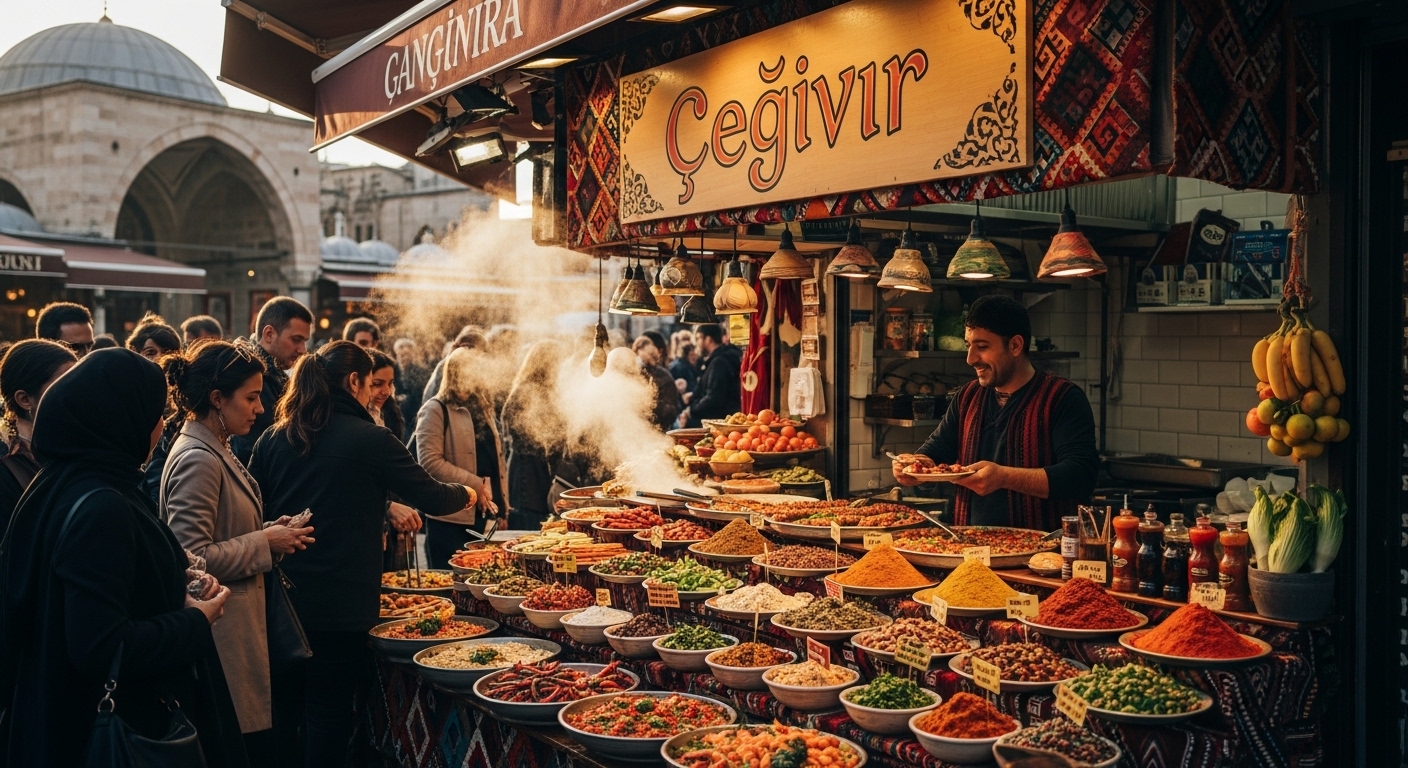
Ceıvır is more than just a dish; it’s a vibrant tapestry woven from history, culture, and flavor. This traditional Turkish delight has captured the hearts of food lovers around the world, offering a taste that transcends mere sustenance. Each bite tells a story, echoing centuries of culinary evolution and regional diversity.
As we embark on this cultural journey through Ceıvır, prepare to discover its origins and significance in Turkish society. You’ll learn about the ingredients that make it so special and how various regions put their own unique spin on this beloved dish. Whether you’re a seasoned chef or simply an enthusiast eager to explore global cuisines, there’s something here for everyone who appreciates good food with deep roots.
The Origins of Ceıvır: A Brief History
Ceıvır has deep roots in Turkish cuisine, tracing back to ancient times. Its history reflects the diverse influences of various cultures that once flourished in Anatolia.
Originally crafted by nomadic tribes, Ceıvır was a practical dish made from locally sourced ingredients. As these tribes settled into permanent communities, the recipe evolved. It became an integral part of communal gatherings and celebrations.
The name “Ceıvır” itself hints at its rustic origins. Derived from local dialects, it signifies a connection to home-cooked meals shared among family and friends. Over centuries, this dish adapted to regional tastes while retaining its core identity.
As trade routes opened up, spices and flavors found their way into Ceıvır’s preparation. This exchange enriched the dish further, showcasing Turkey’s culinary diversity through time. Each bite tells a story steeped in tradition and cultural significance.
Traditional Ingredients and Cooking Methods
Ceıvır is deeply rooted in tradition, using ingredients that tell a story of the land. The base typically consists of tender lamb or beef, reflecting Turkey’s pastoral heritage.
Fresh vegetables such as tomatoes and peppers add vibrant flavors and textures. These ingredients are often sourced from local markets, emphasizing freshness and seasonality.
Cooking methods vary but usually involve slow-cooking techniques. This allows the meats to become melt-in-your-mouth tender while absorbing the spices’ warmth. A wood-fired oven enhances the dish’s smoky depth, creating an unforgettable aroma.
Herbs like thyme and bay leaves play essential roles too, adding aromatic notes that elevate each bite. Cooking together fosters community; families gather around to prepare this beloved dish, passing down secrets through generations.
Each step honors age-old practices while celebrating regional uniqueness in flavor profiles across Turkey’s diverse landscape.
Regional Variations of Ceıvır
Ceıvır is not a one-size-fits-all dish; it varies dramatically across different regions of Turkey. Each locale brings its own unique flair, ingredients, and traditions.
In the eastern parts, such as Erzurum, you’ll find a heartier version made with regional spices that pack an extra punch. It’s often accompanied by rich yogurt or tangy sauces.
Moving westward to Izmir, the twist on Ceıvır includes fresh herbs like parsley and dill. This lighter take emphasizes freshness while maintaining the comforting essence of this beloved dish.
On the Mediterranean coast, seafood finds its way into Ceıvır recipes. Here, you might encounter variations featuring fish or shrimp paired with traditional flavors for a delightful contrast.
These regional interpretations reflect local tastes and agricultural offerings. The beauty of Ceıvır lies in its ability to adapt while keeping its soul intact across Turkey’s diverse landscapes.
The Role of Ceıvır in Turkish Culture and Society
Ceıvır is more than just a dish; it’s a symbol of Turkish heritage and community. Traditionally, families come together to prepare this flavorful meal, fostering bonds that span generations.
In rural areas, Ceıvır often marks special occasions such as weddings and festivals. The preparation can be an elaborate affair, involving friends and relatives who contribute their skills and recipes passed down through time.
Moreover, this dish reflects the diverse agricultural bounty of Turkey. Each ingredient tells a story of regional pride—be it via locally sourced grains or fresh vegetables from nearby markets.
The convivial atmosphere surrounding Ceıvır serves to strengthen social ties while celebrating cultural identity. Eating together becomes an act of unity, encapsulating the essence of hospitality that defines Turkish society.
As cities modernize, the spirit of Ceıvır remains alive in both traditional homes and contemporary eateries alike. It continues to enrich gatherings with its rich flavors and historical significance.
Modern Twists on Classic Ceıvır Recipes
Modern chefs are reinventing traditional Ceıvır recipes, infusing them with unexpected flavors and ingredients. By incorporating elements from international cuisines, they create dishes that honor the past while embracing innovation.
For instance, some cooks experiment with spices typically found in Asian or Latin American cuisine. This not only enhances the flavor profile but also adds a unique twist to the classic dish.
Vegetarian and vegan adaptations have gained popularity too. Chefs substitute meat with hearty vegetables like eggplant or jackfruit, ensuring everyone can savor this cultural favorite without compromising tradition.
Gourmet options now feature artisanal bread or homemade sauces instead of standard accompaniments. These changes elevate Ceıvır from a beloved comfort food to an exquisite dining experience.
Social media plays a key role in these transformations. Home cooks share their creative interpretations online, inspiring others to try new variations on this timeless dish.
How to Make Authentic Ceıvır at Home
To create authentic Ceıvır at home, start with quality ingredients. You’ll need finely ground wheat flour, fresh yogurt, and a touch of salt.
Mix the flour and salt in a bowl before adding yogurt gradually. Knead the dough until it’s smooth and elastic. Let it rest for about 30 minutes.
Next, roll out small pieces of dough into thin rounds. Heat a flat pan or griddle over medium heat without oil to achieve that perfect charred texture.
Cook each round for a couple of minutes on each side till golden brown spots appear. For added flavor, brush them lightly with melted butter after cooking.
Serve warm alongside savory dips or as wraps filled with your favorite fillings like grilled meats or veggies. Enjoy this delightful journey through taste right from your kitchen!
Experiencing Ceıvır Through Travel: Must-Visit
To truly experience Ceıvır, one must venture into the heart of Turkey. Each city and region offers a unique take on this beloved dish, showcasing local ingredients and traditions.
Start your journey in Gaziantep. Known as the culinary capital of Turkey, it’s here that you’ll find some of the most authentic Ceıvır recipes passed down through generations.
Next stop: Kayseri. This vibrant city takes pride in its rich history and flavors. Don’t miss trying their version, which often features a delightful blend of spices unique to the area.
Ankara also deserves a visit for its modern interpretations. Trendy cafes serve up innovative twists on traditional dishes while keeping their essence intact.
Consider exploring smaller villages where family-run eateries offer homemade Ceıvır. The warmth and hospitality will enhance every bite you take.
Conclusion
Ceıvır is not just a dish; it’s a celebration of culture, history, and community. Each bite tells the story of generations, woven together through regional influences and traditional practices. Whether enjoyed at a local restaurant or crafted in your kitchen, ceıvır invites you to embrace its rich flavors.
Exploring the variations across Turkey adds depth to every experience. You can taste the love and dedication poured into each recipe from region to region. As modern chefs innovate with this classic dish, they keep its spirit alive while introducing new audiences to its charm.
Traveling through Turkey offers an unparalleled opportunity to savor authentic ceıvır firsthand. The stories behind these meals create connections that span beyond just food—they unite people around shared experiences and traditions.
As you embark on your culinary journey with ceıvır—whether cooking at home or tasting in bustling markets—you are participating in something greater than yourself. It’s about heritage, flavor profiles that define regions, and moments spent with loved ones over a delicious meal that warms both heart and soul. Embrace the journey that comes with discovering this unique cultural gem!