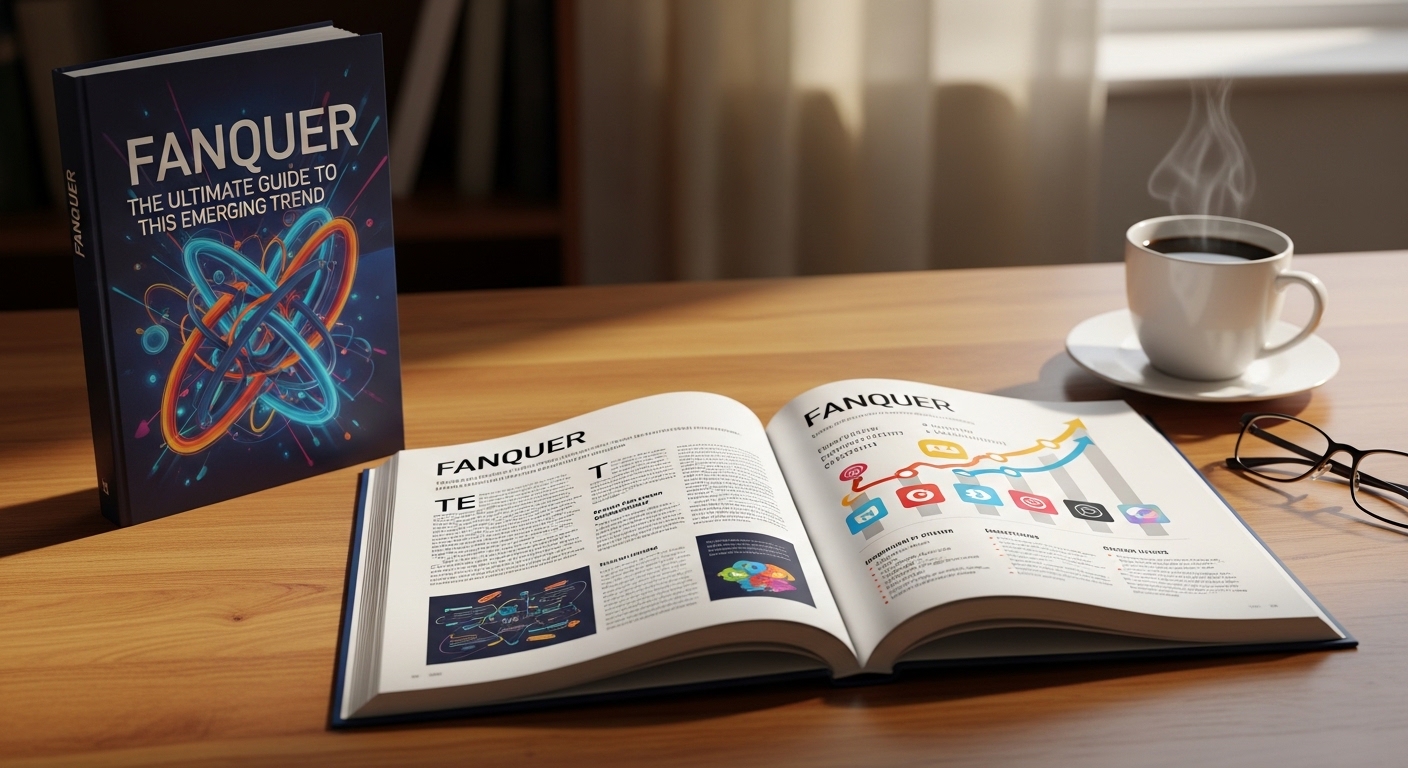
Have you ever found yourself passionately rallying behind a cause, brand, or community? If so, welcome to the world of Fanquer. This emerging trend is breathing new life into how we connect with our interests and engage with one another. Imagine being part of a group where your enthusiasm isn’t just welcomed but celebrated. Whether you’re an avid gamer, music lover, or sports fanatic, Fanquer offers a unique space for fans to unite.
But what exactly does it mean to be involved in this movement? As we dive deeper into the fascinating realm of Fanquer, you’ll discover its origins, how it operates, and why it’s becoming increasingly relevant. From successful communities that have blossomed around shared passions to practical tips on launching your own group—this guide will equip you with everything you need to know about this exciting trend. So grab your favorite snack and get ready to explore the vibrant landscape of Fanquer!
The History of Fanquer
The concept of Fanquer has roots in the evolution of fandom culture. It began as a niche community where enthusiasts gathered to share their passions, be it music, movies, or sports.
As social media emerged, these communities expanded rapidly. Platforms like Facebook and Reddit allowed fans from different backgrounds to unite. They shared not only content but also created a sense of belonging.
Around 2010, the term “Fanquer” started gaining traction. It encapsulated the merging of fan engagement with collaborative efforts for causes or projects that resonated deeply with members.
By fostering connections beyond simple admiration, Fanquer transformed into an avenue for collective action and creativity. This shift marked its evolution from mere fandom into something more impactful and socially relevant.
How Fanquer Works
Fanquer operates as a dynamic platform that fosters connections between fans and their favorite creators, brands, or events. At its core, it allows users to engage directly with others who share similar interests.
Participants join themed communities where they can share content, discuss trends, and participate in exclusive activities. These interactions often happen through forums or social media-like feeds tailored specifically for each group.
Members can receive rewards based on their participation levels. This could include access to special events or unique merchandise.
Moreover, Fanquer emphasizes the power of collaboration within these communities. Creators benefit from direct feedback while fans feel valued and heard.
The mechanics are simple yet effective: passion drives participation, creating an ecosystem rich in interaction and creativity among all members involved.
Examples of Successful Fanquer Communities
Fanquer communities are popping up across various interests and industries. One standout example is the “Book Lovers Fanquer,” where avid readers unite to discuss their favorite novels, share recommendations, and even host virtual book clubs. The passion for literature binds them together.
Another noteworthy community is the “Fitness Enthusiasts Fanquer.” Members motivate each other with workout challenges, nutrition tips, and success stories. This camaraderie fosters a supportive environment that encourages everyone to achieve their goals.
In the realm of gaming, consider the “Gamer’s Haven Fanquer.” Here, players come together to strategize on games, participate in tournaments, and support indie developers by promoting new releases within their circle.
Each of these examples illustrates how diverse interests can form vibrant communities under the fanquer umbrella. They not only nurture connections but also inspire creativity and collaboration among members who share similar passions.
Benefits and Drawbacks of Joining a Fanquer Community
Joining a Fanquer community offers several benefits. First, it provides a platform for individuals to connect over shared interests. This sense of belonging fosters friendships and networking opportunities that might not be found elsewhere.
Moreover, members gain access to exclusive content and experiences. Many communities offer behind-the-scenes insights or special events that enhance the overall experience of fandom.
On the flip side, there are drawbacks worth considering. Some communities can become overly competitive or cliquish, which may discourage new members from participating fully. Additionally, the time investment required to stay engaged might feel overwhelming for some.
Financial commitments can also arise through merchandise purchases or event fees typical in many fan-based groups. Weighing these factors is crucial before diving into any Fanquer community.
Tips for Starting Your Own Fanquer Group
Starting your own Fanquer group can be an exciting journey. Begin by identifying a niche that resonates with you and potential members. Whether it’s a specific genre of music, movies, or even hobbies, find something that sparks passion.
Next, create a welcoming environment. Use social media platforms like Facebook or Discord for easy communication. Set clear guidelines to ensure respectful interactions among members.
Engagement is key. Plan regular events such as discussions, live streams, or Q&A sessions to keep the community lively and involved. Encourage members to contribute ideas and content; this builds ownership and commitment.
Promote your group in relevant online spaces where potential fans gather. Don’t shy away from collaborating with existing communities for greater visibility.
Maintain consistency in communication and activities. A dedicated approach helps cultivate loyalty among members while fostering genuine connections within the Fanquer space.
The Future of Fanquer: Potential Impact on Industries and Society
The future of Fanquer holds immense promise for various industries. As communities continue to grow, they foster collaboration and creativity among members. This collective spirit can drive innovation in technology, art, and entrepreneurship.
More importantly, Fanquer promotes inclusivity and diversity. Different voices come together to share ideas and resources, breaking down barriers that often exist in traditional settings.
This trend could reshape consumer behavior as well. Companies may need to adapt their marketing strategies to engage with these vibrant communities rather than relying solely on conventional advertising methods.
As society embraces the Fanquer model, we might witness a shift toward more decentralized networks where individuals feel empowered to contribute actively rather than passively consume content or products.
Such changes could lead us toward a future that values community-driven initiatives over individualistic pursuits, creating stronger connections across various sectors of life.
Conclusion
Fanquer represents a remarkable shift in how communities form and engage around shared interests. This trend is not just about fandom; it’s about creating spaces where individuals can connect, collaborate, and thrive together. From its historical roots to the current wave of fan-driven initiatives, Fanquer has shown that community-building holds significant power.
As we look ahead, the potential impact of Fanquer on various industries cannot be overstated. It encourages creativity while fostering deeper connections among participants. Whether you’re considering joining an existing group or starting your own, embracing this concept could lead to fulfilling experiences both personally and professionally.
The beauty of Fanquer lies in its adaptability. As society continues to evolve through technology and social interaction shifts, so too will these communities grow and change. What remains constant is the desire for connection—a core element that drives us all forward into this exciting new frontier.