Have you ever found yourself reacting impulsively to a situation, only to later wish you had taken a moment to think it through? The fast-paced nature of life often pushes us into knee-jerk reactions. But what if there was a way to create a bridge between action and reaction? Enter Duaction—a concept that invites us to step back, reflect, and choose our responses intentionally. This approach can transform the way we navigate challenges, relationships, and decision-making. Let’s dive deeper into this powerful idea and discover how embracing Duaction can lead us toward more fulfilling lives.
Understanding the concept of Duaction
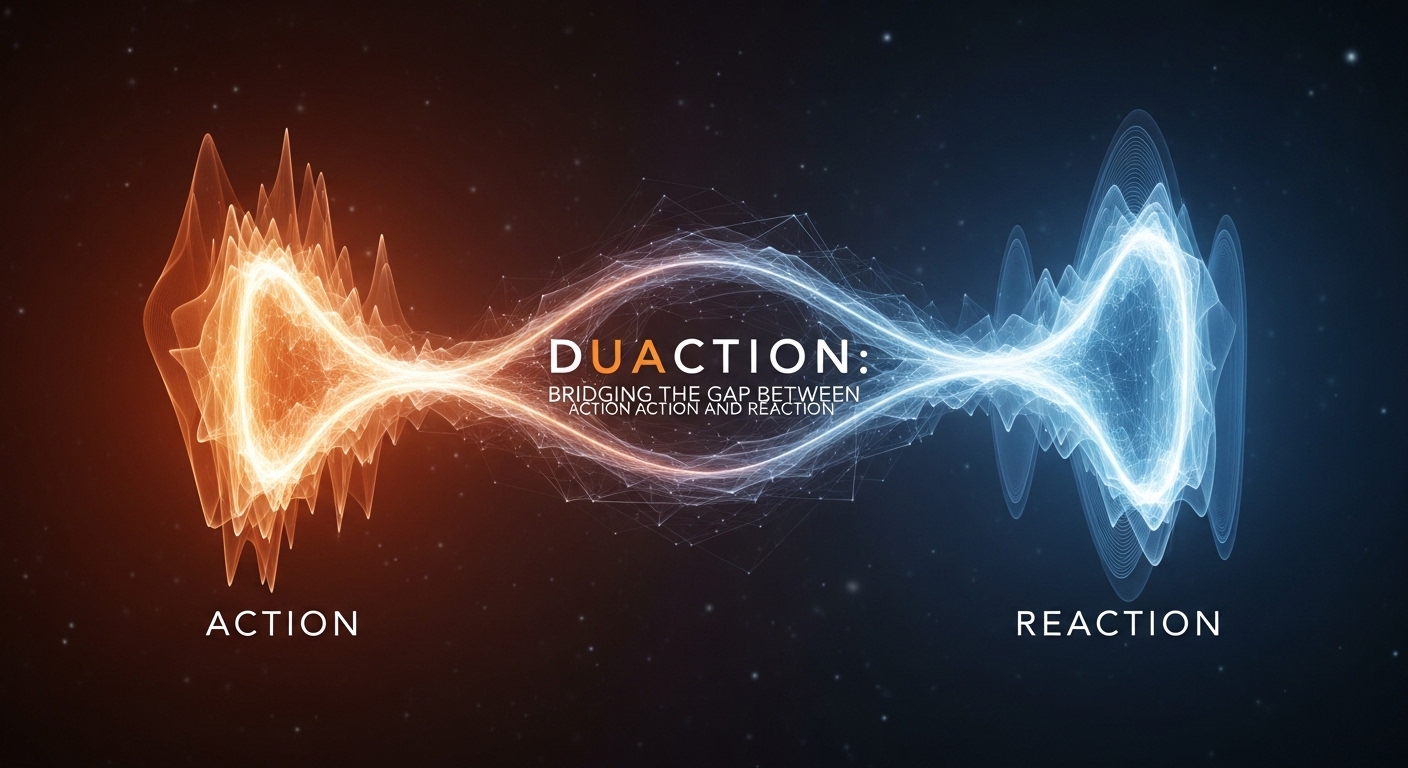
At its core, Duaction is about finding balance. It combines action and reaction into a seamless process that fosters mindful decision-making. Instead of simply responding to stimuli, Duaction encourages us to pause and reflect.
This concept emphasizes the space between what happens and how we choose to respond. It’s not just about reacting; it’s about understanding our emotions and thoughts before taking action.
Duaction invites individuals to consider their motivations and the consequences of their choices. This thoughtful approach can lead to more constructive outcomes in various aspects of life—from personal relationships to professional challenges.
By recognizing this nuanced interplay, we become more aware of our triggers. We gain control over our responses rather than letting them dictate our actions reflexively.
How Duaction differs from traditional reactions
Duaction sets itself apart from traditional reactions by emphasizing a conscious choice. Instead of instinctively responding to stimuli, duaction encourages thoughtful consideration before action.
Traditional reactions often stem from automatic responses shaped by emotions or habits. In contrast, duaction invites individuals to pause and reflect on their options. This approach fosters greater awareness and empowers better decision-making.
Moreover, while traditional reactions can lead to impulsive outcomes, duaction promotes intentionality. It involves evaluating possible consequences and aligning actions with personal values or long-term goals.
By focusing on the space between stimulus and response, duaction allows for creativity in problem-solving rather than relying solely on past experiences. This shift opens new pathways for growth and transformation in daily life.
Examples of Duaction in daily life
Duaction manifests in various ways throughout our daily lives. Consider a simple morning routine. Instead of rushing through breakfast, you pause to appreciate the flavors and textures of your meal. This moment transforms it from mere sustenance into an experience.
In conversations, practicing Duaction means actively listening rather than just waiting for your turn to speak. You engage with others thoughtfully, creating more meaningful connections.
Another example is decision-making at work. Rather than reacting impulsively to challenges, you take a moment to assess the situation thoroughly before taking action. This approach leads to better outcomes and reinforces confidence in choices made.
Even during leisure time, Duaction can enhance enjoyment. When watching a movie or reading a book, immersing yourself fully allows for deeper emotional engagement and satisfaction compared to multitasking or being distracted by your phone.
The benefits of incorporating Duaction into decision making
Incorporating Duaction into decision-making can transform how we approach challenges. It allows for deeper reflection before taking action, fostering a more thoughtful process.
With Duaction, individuals cultivate awareness. This leads to clearer insights about consequences and potential outcomes. When you pause and consider your options, decisions become less reactionary and more intentional.
Additionally, embracing this mindset encourages creativity. With space between thought and action, innovative solutions often emerge. You’re not just responding to circumstances; you’re crafting responses that align with your values and goals.
Moreover, it enhances emotional resilience. By acknowledging feelings without rushing to react, you develop stronger coping mechanisms. Decisions made through the lens of Duaction are usually more balanced and aligned with long-term intentions.
Integrating Duaction nurtures patience in an increasingly fast-paced world—offering clarity amidst chaos.
How to develop a Duaction mindset
Developing a Duaction mindset starts with awareness. Notice your initial reactions to situations. Instead of jumping in, take a moment to pause.
Reflect on your thoughts and feelings. What drives them? Understanding this can help you respond more deliberately.
Practice mindfulness regularly. This technique enhances your ability to observe without judgment. It allows space for thoughtful responses rather than impulsive actions.
Set boundaries for decision-making moments. Give yourself time before acting or reacting—whether it’s replying to an email or making a purchase.
Engage in conversations that challenge your thinking. Surround yourself with people who foster critical discussions, inspiring deeper insights into choices and consequences.
Journaling is another helpful tool. Writing down events, emotions, and potential reactions can clarify the process of Duaction in various scenarios.
Embrace curiosity as well; it opens doors to new perspectives and solutions when faced with challenges.
Overcoming obstacles and challenges with Duaction
Obstacles often feel insurmountable. They can cause hesitation and doubt. But with Duaction, challenges transform into opportunities for growth.
Embracing this concept means pausing to assess situations rather than reacting impulsively. This thoughtful approach allows you to identify the root of an issue instead of just addressing its surface symptoms.
When faced with difficulty, ask yourself: What is my intention here? By focusing on your desired outcome, you’ll be more equipped to navigate hurdles effectively.
Sharing experiences with others also fosters resilience. Engaging in conversations about struggles can unveil new perspectives and strategies that may not have been apparent initially.
It’s about shifting your mindset from being merely reactive to becoming proactive. With Duaction guiding your decision-making process, every challenge becomes a stepping stone toward personal fulfillment and success.
Embracing Duaction for a more intentional and fulfilling life
Embracing Duaction transforms the way we approach our daily lives. It encourages a shift from mere reaction to thoughtful action, fostering deeper connections with ourselves and others.
When you practice Duaction, every decision becomes an opportunity for growth. You not only respond but also consider the implications of your choices. This awareness leads to more intentional living.
Imagine facing challenges with a clear mind, weighing options carefully before acting. Instead of reacting impulsively, you gain clarity in your responses. This mindful engagement enriches relationships and nurtures personal development.
Life feels fuller when each moment is infused with purpose. As you embrace Duaction, you’ll discover new pathways to fulfillment that were once obscured by routine reactions. Each step taken thoughtfully paves the way for meaningful experiences that resonate deeply within you.
Conclusion
Understanding the concept of Duaction is essential for anyone looking to enhance their decision-making process. This innovative approach combines action and reaction, allowing individuals to navigate their lives more effectively. Unlike traditional reactions that are often impulsive, Duaction encourages a thoughtful response to situations.
Consider how Duaction manifests in daily life. Imagine deciding whether to accept an unexpected job offer or responding calmly during an argument with a friend. These moments require reflection and intention, which is where Duaction shines.
Incorporating this mindset offers numerous benefits. It fosters clarity in decision-making and reduces stress by transforming reactive behavior into proactive choices. By cultivating awareness of your responses, you can lead a more intentional life.
Developing a Duaction mindset involves practice and patience. Start by being mindful of your thoughts before reacting impulsively. Journaling about your experiences can also help reinforce this new way of thinking.
Challenges will arise as you adapt to this framework, but overcoming obstacles becomes easier with commitment and consistency. Remember that each misstep is part of the learning journey toward mastering Duacion.
Embracing this concept opens doors to personal growth and fulfillment, creating space for more meaningful interactions with others and yourself long term.