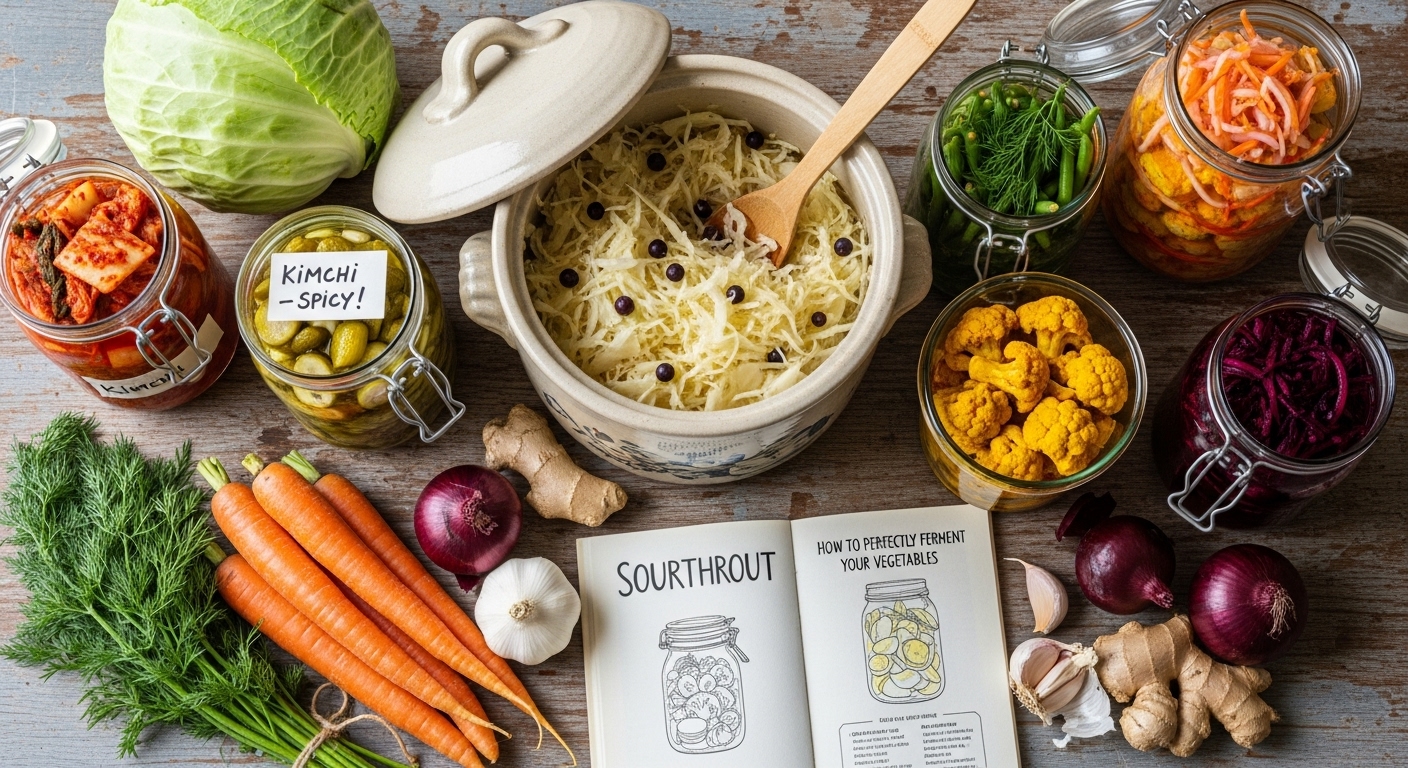
Are you ready to dive into the tangy world of sourthrout? This age-old method of preserving vegetables not only adds a burst of flavor to your meals but also packs a nutritional punch. Fermentation is more than just a trend; it’s a time-honored practice that transforms ordinary veggies into gut-friendly powerhouses. Whether you’re looking to enhance your culinary skills or boost your health, mastering sourthrout can open up a whole new realm of possibilities in your kitchen. Let’s explore how this simple process can elevate both your dishes and wellbeing!
What is fermentation?
Fermentation is a fascinating biological process that occurs when microorganisms, like bacteria and yeast, break down sugars in food. This transformation not only preserves the ingredients but also enhances their flavor and nutritional value. During fermentation, these tiny beings thrive in an anaerobic environment—meaning they work their magic without oxygen. As they feast on the sugars present in vegetables, they produce lactic acid and carbon dioxide. The result? A tangy taste and crunchy texture that many people crave.
This age-old technique has been used for centuries across various cultures around the globe. From kimchi to yogurt, fermentation plays a crucial role in countless traditional foods. At its core, fermentation celebrates nature’s ability to create new flavors while promoting gut health through beneficial bacteria known as probiotics. It’s no wonder this method has stood the test of time!
Benefits of fermented vegetables
Fermented vegetables, like sourthrout, are nutritional powerhouses. They undergo a transformation that enhances their health benefits significantly. One of the standout advantages is improved digestion. The live cultures in fermented foods help balance gut bacteria, making it easier for your body to break down food and absorb nutrients. These veggies also boost your immune system. A healthy gut contributes to overall immunity, reducing the likelihood of infections and illnesses.
Additionally, fermentation can increase the bioavailability of vitamins and minerals. This means your body can access more essential nutrients from each bite you take. Don’t forget about flavor! Fermentation adds a tangy zest that elevates even the simplest dishes. Cooked or raw, these vibrant ingredients enhance meals while delivering an array of benefits that support both physical wellness and culinary creativity.
The basics of sourthrout making
Sourthrout, a delightful fermented dish, is rooted in simplicity. At its core, it involves just two ingredients: fresh vegetables and salt. The magic happens when these elements mingle over time. Start with crisp cabbage or your choice of veggies. Chop them finely to increase surface area for fermentation. The crunchier the vegetable, the better the texture will be after fermentation.
Next, sprinkle salt evenly over your chopped vegetables. This helps draw out moisture while creating an inhospitable environment for harmful bacteria. Pack the mixture tightly into a clean jar or crock. Press down firmly to eliminate air pockets and release more brine from the veggies. Cover your container loosely to allow gases to escape during fermentation while keeping unwanted contaminants out. Now comes patience—let it sit at room temperature for several days up to weeks depending on desired tanginess and flavor depth!
Step-by-step guide to fermenting vegetables
Start with fresh, organic vegetables. Carrots, cabbage, and radishes work well. Wash them thoroughly to remove any dirt or pesticides. Next, chop your veggies into bite-sized pieces or shred them if preferred. The size will influence the fermentation speed. Create a brine using water and salt – typically one tablespoon of salt per cup of water is ideal. Dissolve the salt completely before pouring it over your prepared veggies in a clean jar.
Pack the vegetables tightly to minimize air pockets that can hinder fermentation. Leave some space at the top for bubbling gases during the process. Seal your jar with a lid but don’t tighten it too much; allow airflow while keeping contaminants out. Place it in a dark, cool spot for about 1-4 weeks depending on desired sourness. Check periodically and taste-test until you find that perfect tang you’re looking for!
Common mistakes and how to avoid them
When fermenting vegetables, one of the most frequent mistakes is not using enough salt. Salt plays a critical role in creating an environment that encourages beneficial bacteria while inhibiting harmful ones. Aim for about 2-3% salt concentration relative to the weight of your vegetables. Another common error is skipping the fermentation time. Rushing this process can lead to underdeveloped flavors and textures. Be patient; some veggies need at least a week or two to reach their peak taste.
Additionally, avoid packing your jars too tightly. Vegetables need space to release gases during fermentation. If they’re crammed together, you may end up with inconsistent results. Ensure everything is clean—utensils, jars, and even your hands matter. Contamination can ruin an entire batch quickly, so hygiene should be a top priority when embarking on your sourthrout journey.
Creative ways to use fermented vegetables
Fermented vegetables offer a delightful twist to everyday dishes. Try adding them to salads for an unexpected crunch and tang. They elevate the flavor profile while boosting nutrients. For breakfast, toss some fermented carrots or beets into your morning omelet. Their acidity perfectly balances rich eggs, creating a satisfying start to your day.
Wraps are another fantastic way to incorporate these vibrant veggies. Layer them in a tortilla with hummus, greens, and proteins for lunch that excites the palate. Don’t overlook snacks! A quick dip of fermented cucumbers in Greek yogurt makes for a refreshing treat during those midday slumps. Use them as toppings on tacos or grain bowls. The probiotic goodness complements hearty ingredients beautifully while adding layers of flavor you didn’t know you were missing. Each bite is not just nourishing but also an adventure for your taste buds!
Tips for maintaining a healthy gut microbiome
A healthy gut microbiome is essential for overall well-being. To nurture it, start by incorporating a variety of fiber-rich foods into your diet. Fruits, vegetables, legumes, and whole grains feed beneficial gut bacteria. Consider adding fermented foods like sourthrout to your meals regularly. These provide live probiotics that can enhance digestive health and boost immunity.
Stay hydrated as well. Water supports digestion and helps maintain the mucosal lining in the intestines. Limit sugar and processed foods; they can negatively impact gut diversity. Instead, choose wholesome ingredients whenever possible. Don’t forget about stress management! Practices such as yoga or meditation can help keep your mind—and gut—happy. Prioritize sleep; quality rest plays a critical role in maintaining a balanced microbiome.
Conclusion
Fermenting vegetables is more than just a culinary trend; it’s a time-honored tradition that enhances flavor and boosts health. With sourthrout, you can transform simple ingredients into something extraordinary. By understanding the fermentation process and following the steps outlined here, you’ll be well on your way to creating delicious and nutritious fermented vegetables.
Embrace the benefits of these tangy delights in your meals. Use them as toppings, side dishes, or even snacks. The creative possibilities are endless when it comes to incorporating sourthrout into your diet. Maintaining a healthy gut microbiome is essential for overall wellness. Fermented foods like sourthrout play an important role in this aspect of health. As you experiment with flavors and combinations, remember to enjoy the journey of fermentation. Dive deep into this flavorful world and discover all that sourthrout has to offer for both taste and health!