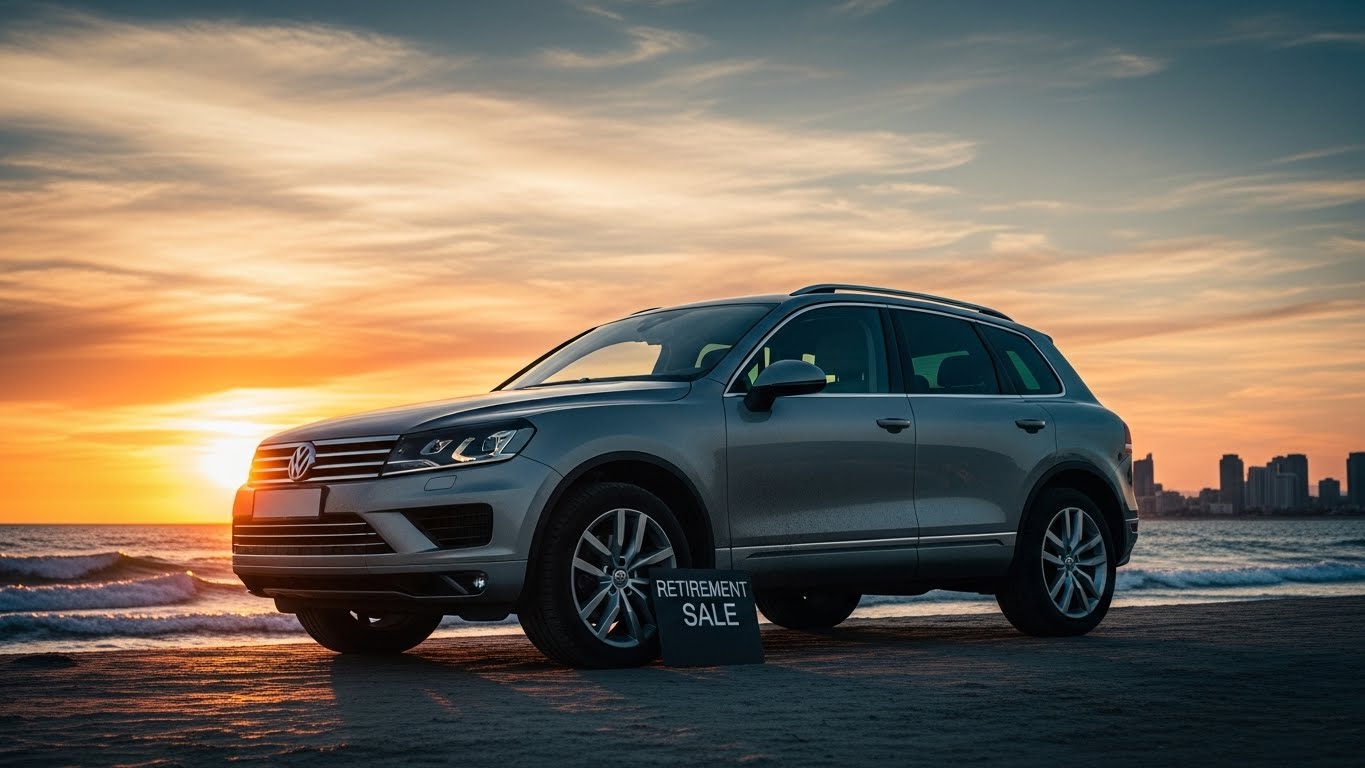
The automotive world is buzzing with the news of the Volkswagen Touareg retirement, and it’s hard not to feel a sense of nostalgia. This SUV has been a significant player in the market since its debut in 2002, captivating drivers with its blend of luxury, power, and practicality. As we bid farewell to this beloved model, it prompts us to reflect on how much has changed in the SUV landscape over the years. What led to this decision? And what does it mean for both consumers and automakers alike? Let’s dive into the evolution of the Volkswagen Touareg and explore why its departure marks a pivotal moment in shifting consumer trends.
The History of the Volkswagen Touareg and Its Impact on SUV Trends
The Volkswagen Touareg made its debut in 2002, marking a bold entry into the luxury SUV market. With its sophisticated design and robust performance, it quickly garnered attention from both critics and consumers alike.
This vehicle was among the first to blend off-road capabilities with high-end features. Its spacious interior and advanced technology set new standards for what SUVs could offer.
Over the years, the Touareg influenced other automakers by pushing boundaries on comfort and functionality. It demonstrated that an SUV could be luxurious without sacrificing utility.
As consumer preferences shifted toward crossovers, however, the Touareg faced challenges in maintaining its relevance. The rise of smaller vehicles began to overshadow larger models like this one, affecting sales figures significantly over time. Its legacy is evident in how current manufacturers approach design and feature integration within their own lineups today.
Why is the Volkswagen Touareg Being Retired?
The retirement of the Volkswagen Touareg stems from a combination of market dynamics and evolving consumer needs. As preferences shift, larger SUVs are losing their appeal to buyers increasingly favoring smaller, more versatile crossovers.
Volkswagen aims to streamline its offerings in light of this trend. The high production costs associated with maintaining the Touareg’s luxurious features make it less viable in today’s competitive landscape.
Additionally, regulatory pressures surrounding emissions and fuel efficiency have prompted automakers to rethink their lineups. With a growing emphasis on sustainability, companies like Volkswagen must pivot towards greener alternatives that cater to eco-conscious consumers.
As electric vehicles gain traction, traditional combustion engine models face an uphill battle. The brand recognizes the need for innovation and adaptation as they prepare for a future focused on electrification rather than heavy-duty SUVs like the Touareg.
Shift in Consumer Preferences: From SUVs to Crossovers
The automotive landscape is evolving. Consumers are increasingly leaning towards crossovers instead of traditional SUVs. This shift reflects changing lifestyles and preferences.
Crossovers offer a perfect blend of style, comfort, and practicality. They deliver the spaciousness expected from an SUV but with the agility of a smaller vehicle. Many drivers now prioritize fuel efficiency alongside space, making crossovers incredibly appealing.
The rise in urban living also plays a role in this trend. City dwellers often prefer vehicles that are easier to maneuver and park. Crossovers fit seamlessly into these environments without sacrificing performance or capability.
As technology advances, many models feature cutting-edge safety systems and smart tech integration. Buyers appreciate these modern amenities as they seek more than just transportation; they desire an experience tailored to their needs.
This transformation indicates a broader change in consumer behavior—one where versatility reigns supreme over sheer size alone.
The Rise of Electric and Hybrid SUVs
The automotive landscape is undergoing a dramatic transformation, driven by the rise of electric and hybrid SUVs. Consumers are increasingly prioritizing sustainability and efficiency. This shift has led many manufacturers to pivot their focus toward greener alternatives.
Electric SUVs offer impressive performance metrics alongside zero emissions. Many models now boast extended ranges and quicker charging times, making them appealing for daily use.
Hybrid vehicles provide a bridge between traditional combustion engines and fully electric options. They combine power with fuel efficiency, catering to those who may not be ready to make the complete switch yet.
Automakers recognize this trend as a golden opportunity. Investments in research and development are ramping up, ensuring that new models meet evolving consumer demands while addressing environmental concerns. The competition in this segment is heating up rapidly, signaling an exciting future for eco-conscious drivers everywhere.
What this Means for Volkswagen and Other Automakers
The retirement of the Volkswagen Touareg signals a pivotal moment for the brand. It reflects a broader industry shift away from traditional SUVs, prompting Volkswagen to rethink its strategy. This decision could lead to new designs and innovations tailored more closely to current consumer desires.
Other automakers will surely take notice. As market dynamics evolve, they may also reconsider their SUV lineups. Brands that stick with conventional models risk losing touch with buyers who favor versatility over sheer size.
Electric vehicles are gaining traction quickly in the automotive landscape. As manufacturers pivot towards electrification, they’ll need to ensure their offerings resonate with eco-conscious consumers seeking sustainability alongside style.
Volkswagen’s move might inspire competitors to accelerate their own transitions or adopt hybrid technologies sooner than planned. The race is on as brands strive for relevance in an ever-changing marketplace driven by consumer preferences.
Conclusion
The retirement of the Volkswagen Touareg marks a significant transition in the automotive landscape. As consumer preferences shift from traditional SUVs to more versatile crossovers, automakers are responding by reevaluating their lineups.
With the rise of electric and hybrid vehicles, manufacturers must adapt to meet new demands for sustainability and efficiency. The departure of the Touareg reflects broader trends that could reshape how we think about sport utility vehicles.
As Volkswagen pivots its focus towards innovative models that embrace these changes, it remains to be seen how this will impact both their brand identity and market position. The end of an era for the Touareg may just be the beginning of exciting developments in SUV design and technology across the industry.