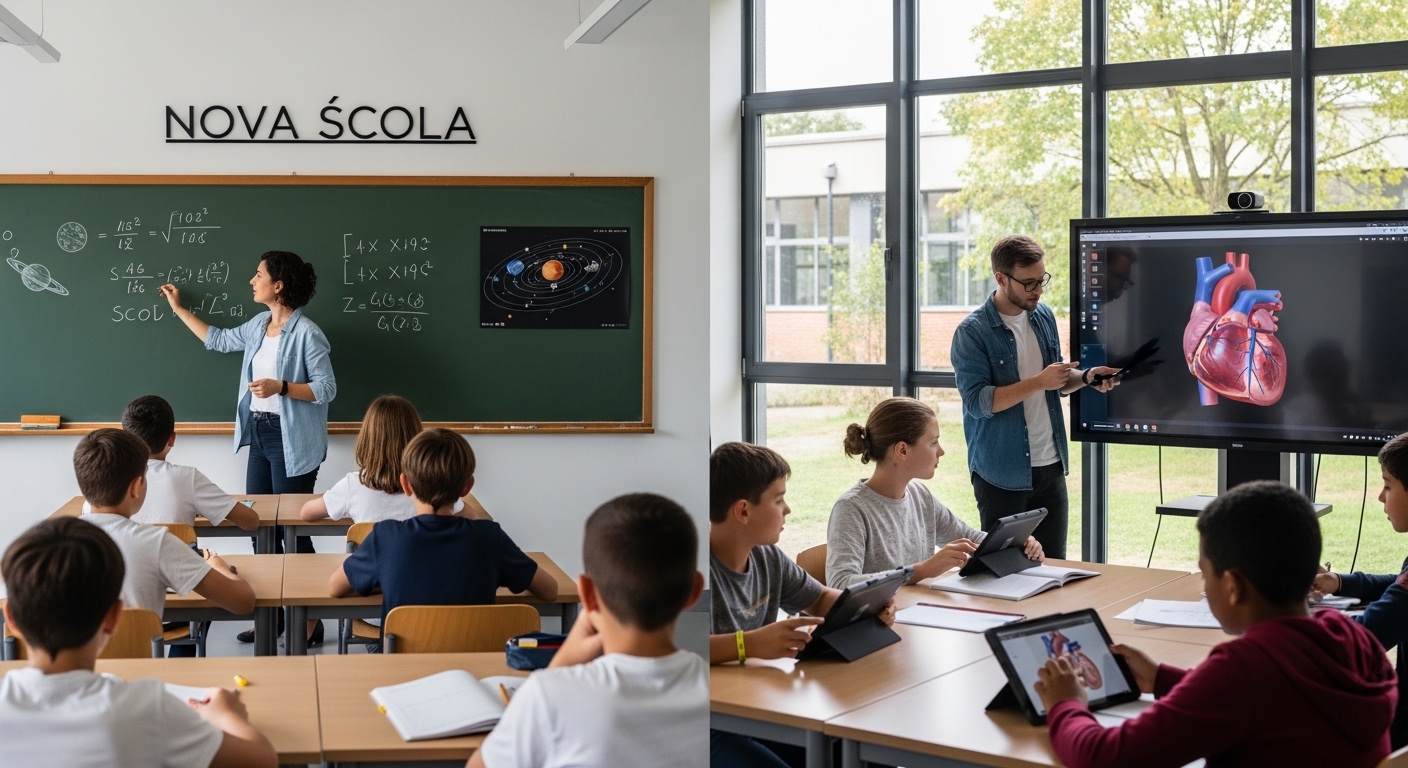
In a rapidly changing world, the way we educate our future leaders must evolve. Enter Nova Scola—a beacon of innovation in education that seeks to blend traditional teaching methods with modern techniques. This unique approach is not just about keeping pace with trends; it’s about enhancing learning experiences and preparing students for the complexities of tomorrow’s challenges. With a mission rooted in adaptability and inclusivity, Nova Scola stands at the forefront of an educational revolution, striving to create dynamic classrooms where every student has the opportunity to thrive. Let’s dive into how this forward-thinking institution tackles age-old limitations while embracing new possibilities!
Traditional teaching methods and their limitations
Traditional teaching methods have long dominated classrooms. These techniques often focus on rote memorization and standardized testing. Students are typically passive recipients of information, leading to limited engagement.
One major limitation is the lack of personalization. Every student learns differently, yet traditional approaches tend to apply a one-size-fits-all model. This can leave students who need more support feeling lost.
Additionally, there’s minimal room for creativity in conventional education settings. Critical thinking and problem-solving skills may take a backseat when emphasis is placed solely on passing exams.
Moreover, technology integration remains sparse in traditional frameworks. In an increasingly digital world, this can hinder students’ ability to navigate modern challenges effectively.
The drawbacks become apparent as educators seek innovative ways to foster deeper understanding and collaboration among students. It’s clear that these limitations call for a shift toward more dynamic teaching strategies.
Incorporating modern teaching techniques at Nova Scola
At Nova Scola, modern teaching techniques are seamlessly integrated into daily lessons. The use of technology, such as interactive whiteboards and online resources, creates an engaging learning environment. Students collaborate on projects using digital tools that promote creativity.
Teachers employ flipped classrooms to enhance comprehension. This method allows students to explore new concepts at home before applying them in class discussions or activities. It fosters a sense of autonomy in learners.
Gamification is another exciting aspect of the curriculum. By incorporating game elements into lessons, educators motivate students and make learning fun.
Additionally, personalized learning plans cater to individual strengths and weaknesses. This tailored approach ensures every student can thrive academically while enjoying their educational journey at Nova Scola.
The benefits of a blended approach to education
A blended approach to education offers a refreshing combination of traditional and modern methods. This fusion caters to diverse learning styles, making lessons more engaging for students.
Students benefit from the flexibility that comes with online resources. They can learn at their own pace, revisiting challenging material as needed. It empowers them to take ownership of their education.
Additionally, face-to-face interactions foster collaboration among peers and teachers. Such connections enhance critical thinking skills and build a supportive community.
Educators also reap rewards through this model. The integration of technology simplifies administrative tasks, allowing more time for personalized instruction.
This hybrid method prepares learners for real-world challenges by equipping them with both fundamental knowledge and technological proficiency. Embracing change in the classroom is vital for nurturing adaptable individuals ready to thrive in an evolving society.
Success stories from Nova Scola students and teachers
At Nova Scola, success stories abound. Students thrive in an environment that blends traditional learning with innovative techniques. One standout is Mia, who transformed her academic struggles into triumphs through personalized learning plans.
Teachers also share inspiring journeys. Mr. Johnson, a history instructor, embraced technology to engage his class in new ways. His students now create digital presentations that showcase their understanding of historical events.
Another example comes from the art department. Sarah’s passion for painting was ignited by collaborative projects with peers and mentors alike. She has since won local awards for her creativity and vision.
These tales reflect the vibrant community at Nova Scola where students and teachers uplift each other every day. Each story highlights the power of adaptability in education as they explore diverse pathways to success together.
Challenges faced in implementing a blended approach
Implementing a blended approach at Nova Scola comes with its own set of challenges. One major hurdle is the resistance to change among some educators and parents. Traditional methods have long been ingrained in educational systems, making it difficult for everyone to embrace new techniques.
Another challenge lies in technology access. Not all students have reliable internet or devices at home, which can create disparities in learning opportunities. This gap needs continuous attention and innovation from the school.
Training teachers effectively is also crucial. Many educators are accustomed to conventional teaching styles and may struggle to adapt their strategies for a blended environment. Ongoing professional development is essential but requires time and resources.
Measuring success presents obstacles as well. With various teaching methods being employed simultaneously, determining what truly works best can be complex and demands careful analysis over time.
Future plans for Nova Scola and the impact on education as a whole
Nova Scola is committed to evolving its educational approach. The focus is on integrating even more technology into the curriculum. By embracing new tools and resources, they aim to enhance student engagement.
Plans are underway for partnerships with tech companies. This collaboration will provide students access to cutting-edge learning platforms. It’s about making education relevant in a digital age.
Moreover, Nova Scola intends to expand its teacher training programs. Equipping educators with updated skills ensures that they can deliver lessons effectively using both traditional and modern methods.
The impact of these initiatives could be profound. As Nova Scola leads by example, it may inspire other institutions to adopt similar blended strategies. This shift has the potential to reshape educational standards not just locally but globally as well, fostering a generation of adaptable learners prepared for future challenges.
The importance of adapting to changing times in education
Education is a dynamic field, constantly evolving with societal shifts and technological advancements. As the world changes, so too must our methods of teaching. Rigid adherence to outdated practices can hinder student engagement and learning outcomes.
Embracing new ideas fosters creativity and critical thinking skills in students. When educators adapt their approaches, they meet learners where they are—utilizing tools that resonate with today’s digital natives.
Moreover, flexibility in education prepares students for an unpredictable future. The ability to pivot shows resilience—a vital trait in both personal and professional realms.
Nova Scola recognizes this necessity by integrating traditional foundations with modern techniques. This blend not only enhances academic performance but also cultivates lifelong learners ready to thrive in a complex world.
Staying attuned to educational trends ensures we equip future generations with the knowledge and skills they need to navigate an ever-changing landscape effectively.
Conclusion
The evolution of education is essential, and Nova Scola stands at the forefront of this transformation. By combining traditional teaching methods with modern techniques, it has created a dynamic learning environment that caters to diverse student needs. The school’s mission reflects a commitment to innovation while honoring proven educational practices.
As students thrive in this blended educational setting, their success stories inspire others within the community. Teachers also find renewed passion through these methodologies, leading to improved engagement and better outcomes for all involved.
While challenges remain in fully implementing this hybrid approach—such as ensuring equitable access to technology—the potential benefits far outweigh these obstacles. As Nova Scola continues its journey, its impact on education will likely resonate beyond its walls.
Adapting to changing times isn’t just beneficial; it’s necessary. In an ever-evolving world, staying ahead requires flexibility and creativity in teaching approaches. With institutions like Nova Scola leading the charge, the future of education looks promising indeed.