
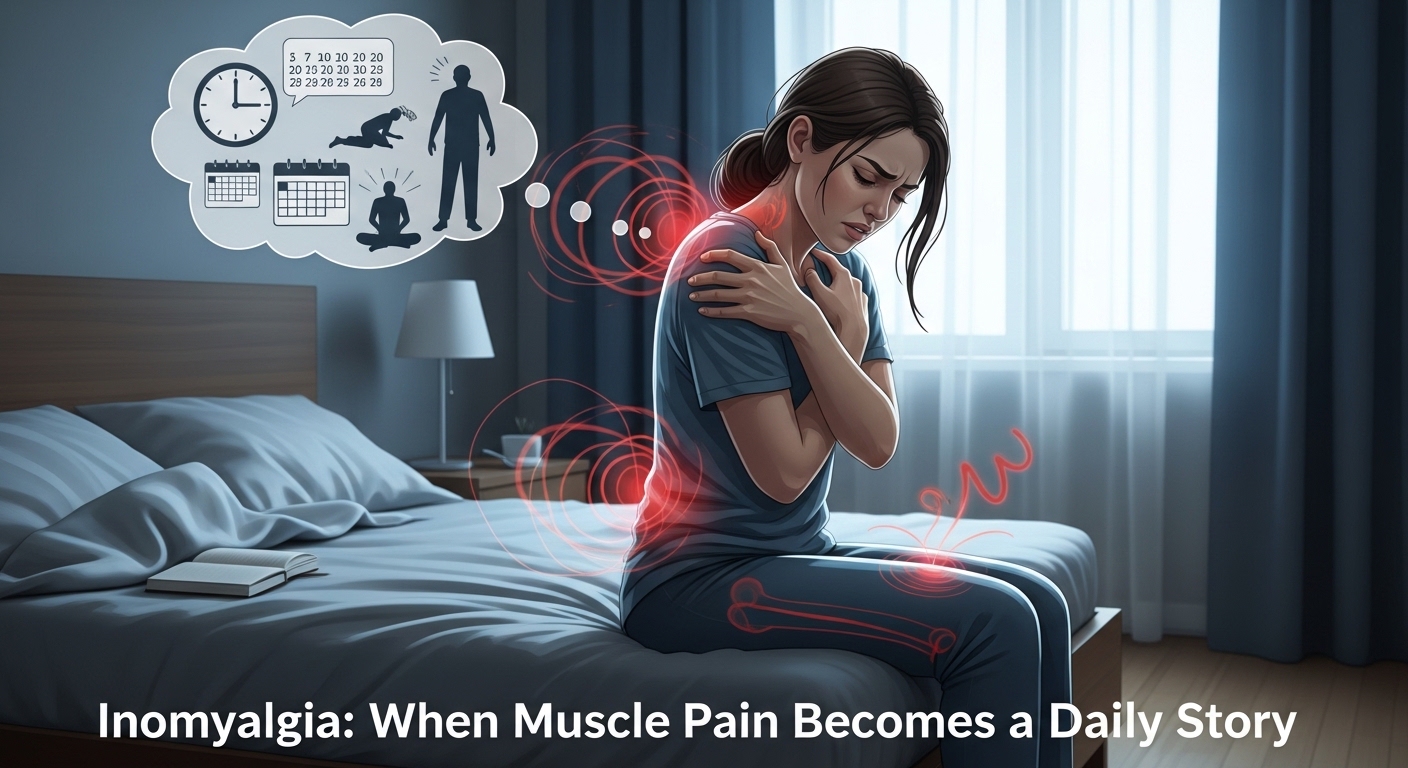
The first sign was subtle. A dull ache in the shoulders after a long day, easily blamed on posture or stress. But days turned into weeks, and the pain didn’t fade. It lingered in the arms, crept into the thighs, and began to shape daily decisions—how long to sit, how much to carry, when to rest. For many people, this is how inomyalgia quietly enters life, not as a dramatic injury but as a persistent companion that slowly demands attention.
Inomyalgia, at its core, refers to muscle pain that originates within the muscle tissue itself. While muscle soreness is something nearly everyone experiences, inomyalgia is different in its persistence, its patterns, and its ability to interfere with routine movement and focus. Understanding it requires more than a surface-level explanation; it asks us to look at how modern lifestyles, health conditions, and the body’s own responses intersect.
Understanding Inomyalgia Beyond Ordinary Muscle Pain
Inomyalgia is often misunderstood because muscle pain feels familiar. We associate it with exercise, strain, or physical labor. However, inomyalgia typically lacks a single clear trigger. It may appear without intense activity, persist despite rest, and fluctuate in intensity throughout the day. This makes it less about temporary overuse and more about an underlying physiological imbalance or condition affecting muscle fibers.
From a clinical perspective, inomyalgia involves discomfort that can feel aching, burning, or tight. Unlike joint pain, it remains localized to muscles, yet it can spread across multiple muscle groups. People often describe stiffness in the morning, worsening discomfort after prolonged inactivity, or sensitivity when muscles are pressed. These features distinguish inomyalgia from short-term muscle fatigue.
Why Inomyalgia Is More Common Than We Think
Modern life creates ideal conditions for inomyalgia to develop. Long hours at desks, repetitive movements, limited physical variety, and chronic stress all affect muscle health. Muscles are designed for movement, variation, and recovery. When they are held in static positions or exposed to ongoing tension, small disruptions in blood flow and nerve signaling can occur.
Inomyalgia is also frequently associated with other conditions, including chronic stress disorders, sleep disturbances, and certain inflammatory or metabolic issues. While it may not always be the primary diagnosis, it often acts as a signal that the body is struggling to maintain muscular balance. This is why many people experience muscle pain long before a broader health issue is identified.
The Role of Stress and the Nervous System in Inomyalgia
One of the most overlooked contributors to inomyalgia is the nervous system. Stress does not only affect mood; it directly influences muscle tone. When the body remains in a prolonged state of alertness, muscles tend to stay partially contracted. Over time, this constant low-level tension reduces circulation and oxygen delivery to muscle tissue.
This creates a cycle. Reduced oxygen leads to metabolic byproduct buildup, which irritates muscle fibers. The irritation sends pain signals to the brain, which in turn increases protective muscle tension. Inomyalgia often lives within this loop, especially in individuals facing ongoing mental or emotional stress.
Physical Activity: Both a Trigger and a Solution
Exercise has a complex relationship with inomyalgia. On one hand, overexertion or sudden increases in activity can worsen muscle pain. On the other, carefully structured movement is one of the most effective ways to manage symptoms. The key difference lies in intensity, consistency, and recovery.
Low-impact activities such as walking, swimming, or gentle strength training encourage blood flow without overwhelming muscle fibers. Stretching improves flexibility and reduces stiffness, while controlled strengthening supports muscles so they are less prone to strain. Inomyalgia often responds better to regular, moderate movement than to complete rest, which can actually increase stiffness and discomfort.
Inomyalgia in Daily Life: How It Affects Productivity and Wellbeing
Persistent muscle pain changes how people interact with their environment. Tasks that once felt automatic—typing, lifting groceries, standing in line—require conscious effort. Over time, this can affect productivity, concentration, and even confidence. People may avoid activities they enjoy, fearing discomfort or fatigue.
Sleep is another major factor. Inomyalgia can make it difficult to find a comfortable position, leading to fragmented rest. Poor sleep then reduces the body’s ability to repair muscle tissue, intensifying pain the next day. This connection between muscle health and rest highlights why inomyalgia should never be dismissed as “just soreness.”
Common Factors Associated With Inomyalgia
The causes of inomyalgia are rarely singular. Most cases involve a combination of physical, neurological, and lifestyle influences. The table below summarizes common contributing factors and how they relate to muscle pain.
| Contributing Factor | How It Relates to Inomyalgia |
|---|---|
| Prolonged poor posture | Reduces blood flow and increases muscle tension |
| Chronic stress | Keeps muscles in a constant semi-contracted state |
| Sleep disturbances | Limits muscle repair and recovery |
| Nutritional imbalances | Affects muscle metabolism and nerve function |
| Repetitive movements | Creates localized overuse without adequate recovery |
Understanding these connections helps shift the focus from simply treating pain to addressing the conditions that allow inomyalgia to persist.
Approaches to Managing Inomyalgia Effectively
Managing inomyalgia is less about quick fixes and more about sustainable strategies. Pain relief methods such as heat therapy or gentle massage can offer short-term comfort, but long-term improvement usually requires broader changes. Attention to posture, movement habits, and stress management plays a crucial role.
Mind-body practices such as controlled breathing or relaxation techniques can reduce nervous system overactivity, indirectly easing muscle tension. Likewise, building awareness of how the body responds to daily activities helps individuals make small adjustments that prevent pain from escalating. Inomyalgia often improves when care is consistent rather than aggressive.
The Importance of Professional Evaluation
Although inomyalgia can exist on its own, it may also overlap with other muscular or systemic conditions. This is why persistent muscle pain should always be evaluated by a qualified health professional. Proper assessment ensures that underlying issues such as inflammation, nerve involvement, or metabolic concerns are not overlooked.
Early evaluation also helps prevent the progression from localized muscle pain to widespread discomfort. When addressed thoughtfully, inomyalgia does not have to define a person’s physical limits or quality of life.
Living Well With Inomyalgia
Living with inomyalgia means learning to listen to the body without becoming overly cautious. It encourages a balanced approach to activity, rest, and mental wellbeing. Many people find that once they understand their pain patterns, they regain a sense of control that pain had taken away.
Rather than viewing inomyalgia as a barrier, it can become a guide. It highlights the importance of movement variety, stress awareness, and recovery in a world that often rewards constant activity. With the right perspective and support, muscle pain becomes manageable, not overwhelming.
Conclusion
Inomyalgia is not simply a medical term for sore muscles; it is a reflection of how the body responds to modern demands. It sits at the intersection of physical strain, mental pressure, and lifestyle imbalance. By recognizing it early and responding with informed, compassionate care, individuals can reduce its impact and restore confidence in their movement.
Muscle pain tells a story. Inomyalgia asks us to read that story carefully, adjust our habits, and respect the body’s signals. When we do, relief is not just possible—it becomes sustainable.